Iceland's natural wonders, glacier lagoons, waterfalls, geysers, black sand beaches and active volcanic areas, are spread across the country, and a rental car is the most practical way to reach most of them at your own pace. This guide covers the sights travellers ask about most often, what kind of road and vehicle each one needs, and how Iceland's weather affects planning your route. Details on road access and conditions change with the seasons, so always check umferdin.is and safetravel.is before setting out.
Short answer: Iceland's best-known natural wonders, Jökulsárlón Glacier Lagoon, Reynisfjara black sand beach, Seljalandsfoss, Gullfoss, Strokkur, Dettifoss, and the volcanic Reykjanes Peninsula, are all reachable by rental car. Most sit on or just off Route 1 (the Ring Road) and need nothing more than a standard 2WD in summer. A few, including Dettifoss and anything off the paved network, are more comfortably visited with a 4x4, especially outside summer.
Which natural wonders can you reach by rental car?
The table below gives a quick overview of the wonders covered in this guide, the region they're in, and what kind of vehicle and season suit them best. It's a starting point for planning a route, not a substitute for checking current road conditions before you drive.
| Natural wonder | Region | Typical road | Vehicle recommended | Notes on season |
|---|---|---|---|---|
| Jökulsárlón Glacier Lagoon & Diamond Beach | Southeast, Vatnajökull National Park | Paved, Route 1 | 2WD | Open year-round; daylight hours vary a lot by season |
| Reynisfjara black sand beach | South coast | Paved | 2WD | Year-round; watch for sneaker waves regardless of season |
| Seljalandsfoss | South coast | Paved | 2WD | Year-round; path behind the falls can be icy in winter |
| Gullfoss & Strokkur (Golden Circle) | Southwest | Paved | 2WD | Year-round; one of the easiest routes from Reykjavik |
| Dettifoss | North, Vatnajökull National Park | Paved (west side, Route 862) / gravel (east side, Route 864) | 4x4 recommended | Access can be limited or closed in winter |
| Reykjanes Peninsula volcanic area | Southwest, near Keflavik | Paved to trailheads, then hiking | 2WD to trailhead | Year-round hiking, weather-dependent |
Jökulsárlón Glacier Lagoon and Diamond Beach
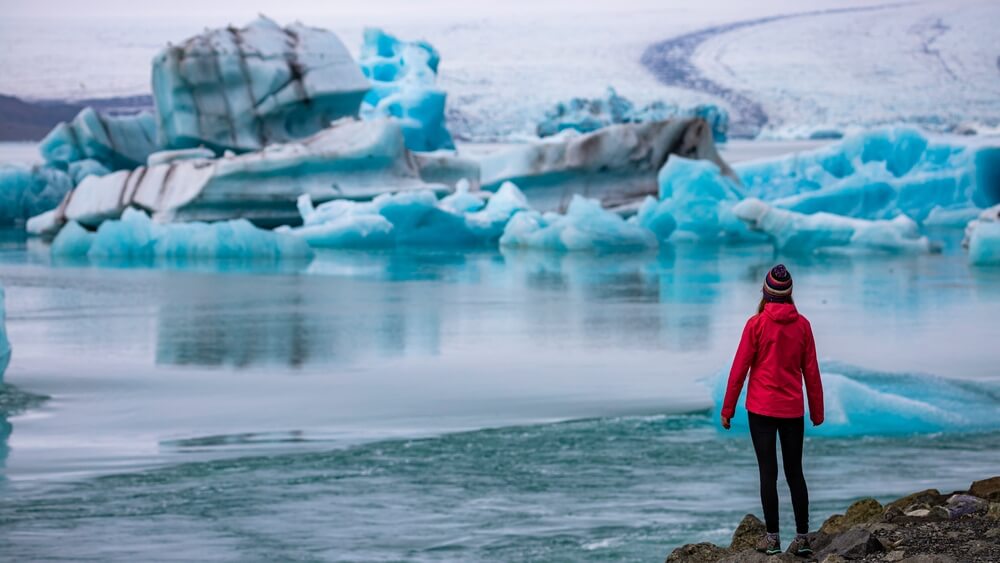
Jökulsárlón is a glacial lagoon on the edge of Vatnajökull National Park, where icebergs break off the Breiðamerkurjökull glacier tongue and drift slowly toward the sea. It's reached via a straightforward stretch of Route 1 in the southeast, roughly a full day's drive from Reykjavik if you're doing it as part of a Ring Road loop rather than a dedicated trip.
Just across the road, Diamond Beach is where chunks of ice wash up on black sand, a short walk from the lagoon's main parking area, no extra driving required. Boat tours on the lagoon run seasonally; check current schedules locally rather than assuming year-round availability.
Because this is a long drive from the capital, it's worth planning fuel stops and daylight into your route, particularly outside summer when daylight hours shrink considerably in the south and east.
Reynisfjara black sand beach
Reynisfjara, near the village of Vík í Mýrdal, is known for its black sand, basalt column formations, and sea stacks visible offshore. It's one of the most photographed spots on the south coast and sits just off Route 1, easily reached in a standard car.
The beach's beauty comes with a real hazard: sneaker waves. These are unusually powerful waves that can reach much further up the beach than expected, without warning, and the currents here are strong. Keep well back from the waterline, never turn your back to the ocean, and follow the safety signage on site. This applies in every season, not just winter.
Seljalandsfoss and the south coast waterfalls
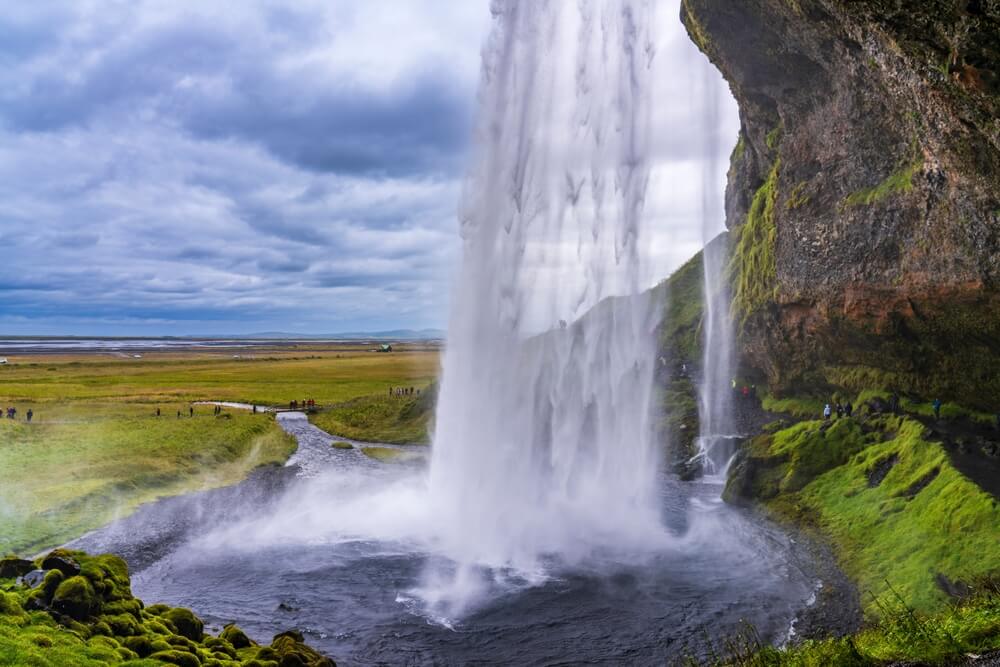
Seljalandsfoss is one of Iceland's most recognisable waterfalls, visible from Route 1 in the south. A short walk from the car park takes you to a path behind the falling water, one of the few waterfalls in Iceland you can walk behind, though you will get wet, so a raincoat is worth packing.
The south coast has several other waterfalls worth a stop on the same drive, and the road here is paved and manageable in a 2WD for most of the year. In winter, the path and steps around Seljalandsfoss can ice over, so proper footwear matters more than the vehicle you're driving.
Gullfoss, Strokkur and the Golden Circle
Gullfoss and Strokkur are two stops on the Golden Circle, the most popular day route from Reykjavik, which also includes Þingvellir National Park. Gullfoss is a two-tier waterfall where the Hvítá River drops into a canyon; the site was historically at risk of hydroelectric development, and its preservation is often cited as a turning point for Icelandic nature conservation. Strokkur, a short drive away in the Geysir geothermal area, erupts every few minutes, sending boiling water 15 to 20 metres into the air, occasionally higher.
The Golden Circle is entirely paved and accessible with any rental car, in any season, making it a good first day out for travellers who haven't driven in Iceland before.
Dettifoss and Iceland's powerful north
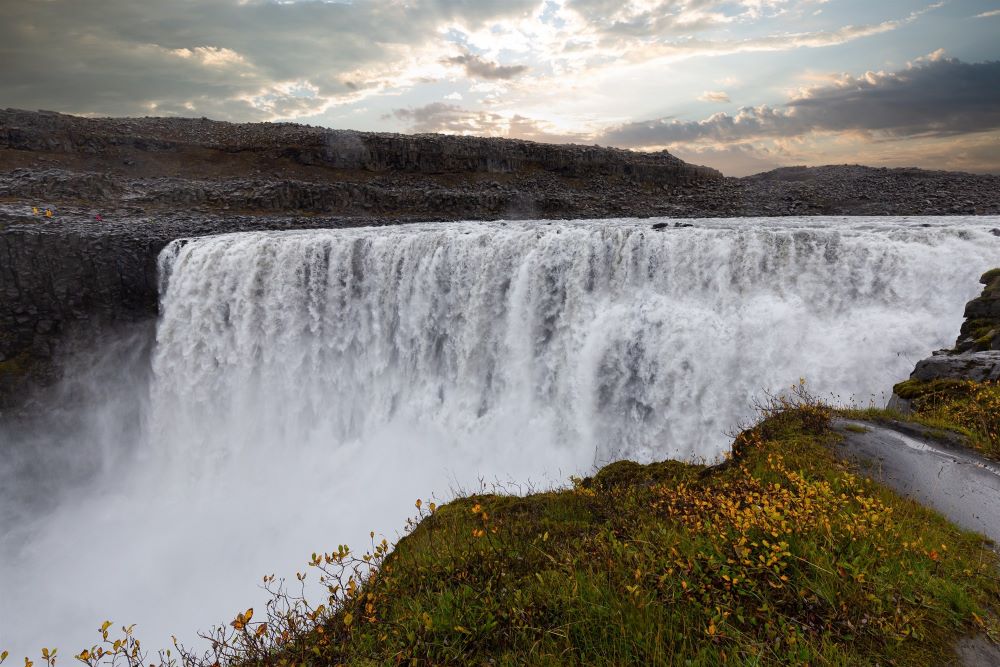
Dettifoss, in the north near Vatnajökull National Park, is often cited as one of Europe's most powerful waterfalls by water volume (per park and visitor literature), though the exact ranking is sometimes debated, and it's a genuinely different experience from the south coast falls, louder, rawer, and less visited outside peak season. It can be approached from either side of the canyon: the west side (Route 862) is paved, while the east side (Route 864) is gravel and rougher.
A 4x4 is recommended for this area, particularly if you're combining both viewpoints or visiting outside summer, when snow and ice can make the approach roads difficult or seasonally closed. If you're unsure whether your planned route needs a 4x4 at all, our guide on whether you need a 4x4 rental in Iceland walks through the main questions to ask before booking.
Reykjanes Peninsula: Iceland's volcanic landscape
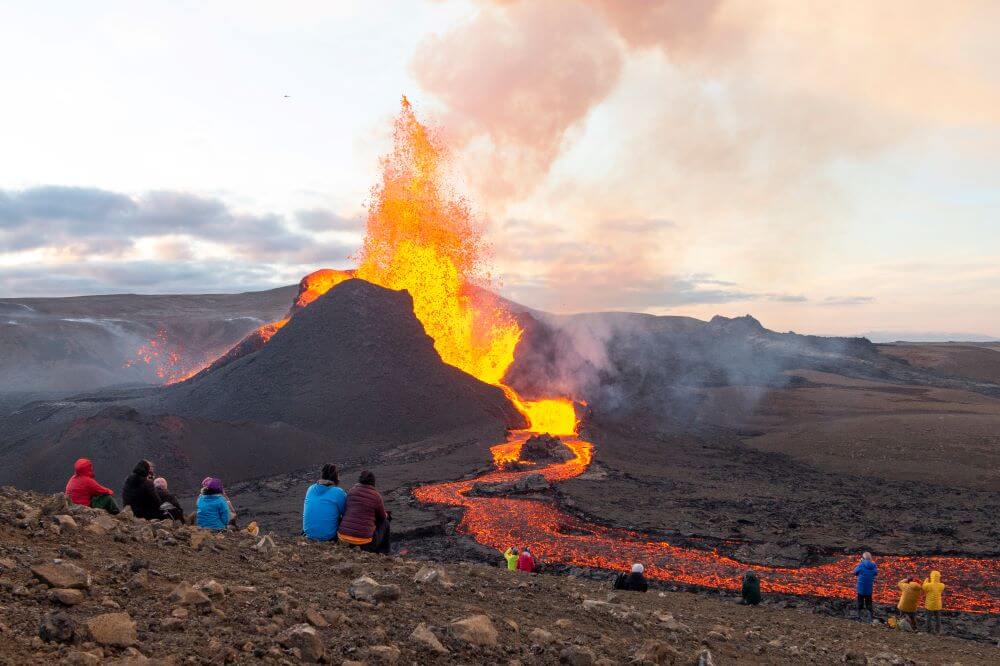
The Reykjanes Peninsula, close to Keflavik Airport, has been the site of several volcanic eruptions in recent years, centred around the Fagradalsfjall area. It's roughly a 30-minute drive from Keflavik or Reykjavik, making it one of the easiest natural wonders to fit into an arrival or departure day.
Hiking trails lead from designated parking areas toward the eruption sites, crossing recent lava fields. Wear sturdy boots, bring water, and check current access conditions before heading out, since trail status can change with volcanic activity. This is also the region where the Blue Lagoon geothermal spa sits, worth noting it's a man-made lagoon fed by geothermal water rather than a natural formation, but many travellers combine it with a Reykjanes stop given the proximity to the airport.
Iceland weather and when to go
Iceland's weather is genuinely changeable, and the same road or trail can feel completely different from one day to the next, regardless of the season on the calendar. Summer (roughly June to August) brings the longest daylight and the most stable driving conditions, which is why it's the easiest season for a first self-drive trip. Winter brings shorter daylight, a higher chance of snow and ice on roads, and more variable access to sites like Dettifoss.
Rather than relying on general seasonal expectations, check the Icelandic Meteorological Office (Veður, vedur.is) for forecasts and the Icelandic Road Administration (Vegagerðin, umferdin.is) for real-time road status before each day's drive. If you're planning a winter trip, our winter driving guide covers what to expect on the road in more detail, and the low-season months looks at how time of year affects cost as well as conditions.
Which vehicle do you need for a natural-wonders road trip?
For the wonders covered here, a standard 2WD is enough for the Golden Circle, the south coast waterfalls, Reynisfjara, Jökulsárlón and the Reykjanes trailheads, as long as you're travelling on paved roads in reasonable weather. A 4x4 becomes the more sensible choice once you add Dettifoss's gravel approach, any winter driving, or side trips onto F-roads in the highlands, F-roads legally require a 4x4 in Iceland, full stop.
Blue Car Rental offers a range of vehicles from 2WD to 4x4, electric, family and premium options, so you can match the car to your actual route rather than over- or under-buying capability. Every rental includes CDW, SCDW, gravel protection, theft protection and third-party liability as standard, and the optional Liability Waiver extends cover to water damage, including legal river crossings (illegal crossings or off-road driving remain uncovered by any policy), underbody, tyres, wind-door damage, and sand or ash exposure, which is relevant if your route includes gravel roads near volcanic areas or river-adjacent stretches. If your plans include the highlands specifically, our F-roads guide covers what "legal 4x4 access" actually means in practice.
Mistakes to avoid on a natural-wonders route
The most common planning mistake is treating Iceland's natural wonders as a single day-trip checklist rather than a route shaped by geography and season. Jökulsárlón and Dettifoss are hours apart from Reykjavik in opposite directions, and trying to combine too many far-flung stops in one day usually means arriving rushed or after dark.
Other frequent issues: underestimating how quickly weather can change on the south coast, ignoring posted safety signage at Reynisfjara, and assuming a 2WD is fine for Dettifoss's east-side approach without checking current conditions. Booking online in advance and using online check-in with key-box pickup (for customers who add the Liability Waiver and complete online check-in) at Keflavik Airport also helps if you're arriving on a tight schedule and want to start driving without delay.
Planning your route
If your main concern is whether you'll actually be able to reach the sights you've been picturing, the honest answer is: yes, for nearly all of them, with a car matched to your season and route. The paved-road wonders, the Golden Circle, the south coast, Jökulsárlón, are accessible to almost any rental car for most of the year. It's the gravel approaches, winter conditions, and highland F-roads where vehicle choice and current road information actually matter, so build a little slack into your itinerary and check conditions each morning rather than trusting a fixed plan made weeks in advance.
 CAN YOU DRINK TAP WATER IN ICELAND?