
Iceland is one of the most memorable places you can visit, but it is also a destination where costs can add up quickly. Accommodation, car rental, food, fuel, road tax, activities, and seasonal demand all affect your final budget.
So, how much does a trip to Iceland cost in 2026?
For most travelers, a 7-day trip to Iceland in 2026 costs around 125,000–385,000 ISK per person, excluding international flights. Budget travelers can often stay closer to 125,000–175,000 ISK, while mid-range travelers should plan around 245,000–385,000 ISK. Comfort and luxury trips can easily reach 490,000–770,000 ISK or more per person, especially in summer.
For two people on a self-drive trip, a practical 7-day land budget is usually around 270,000–760,000 ISK total, depending on season, vehicle type, accommodation, food choices, and paid activities. This estimate excludes international flights but includes typical self-drive costs such as car rental, fuel, Blue Car Rental’s fixed daily road-tax fee, accommodation, food, parking, and selected activities.
Use this guide to estimate your Iceland travel budget by trip length, travel style, season, and transport choice. You will also find examples for 5-day, 7-day, and 10-day trips, plus practical ways to save money without missing the best parts of Iceland.
Quick Iceland Trip Cost Summary for 2026
These estimates are planning ranges, not fixed prices. Your actual cost depends on your travel dates, how early you book, your route, your vehicle, your accommodation, and how many paid activities you include.
|
Trip Style |
Estimated Daily Cost Per Person |
7-Day Estimate Per Person |
Best For |
|
Budget |
18,000–25,000 ISK |
125,000–175,000 ISK |
Hostels, guesthouses, groceries, simple activities |
|
Mid-range |
35,000–55,000 ISK |
245,000–385,000 ISK |
Rental car, guesthouses or hotels, mixed dining |
|
Comfort / luxury |
70,000–110,000+ ISK |
490,000–770,000+ ISK |
Better hotels, larger vehicle, restaurants, premium tours |
Note: These ranges exclude international flights. For rough currency context, 125,000 ISK is about 1,000 USD / 850 EUR and 385,000 ISK is about 3,100 USD / 2,600 EUR, depending on exchange rates.
How We Estimated These Iceland Travel Costs
These estimates are based on typical 2026 travel costs for Iceland, including accommodation, food, car rental, fuel, road tax, parking, and common activities. Because prices change by season and availability, all numbers should be used as planning ranges rather than fixed quotes.
- Blue Car Rental’s 2026 car hire and self-drive cost estimates
- Blue Car Rental’s fixed 2026 road-tax fee of 1,550 ISK per rental day
- Official Icelandic road-tax information, including the 6.95 ISK/km government rate for passenger cars and SUVs up to 3.5 tonnes
- Current fuel-price checks from Icelandic fuel-price trackers and Blue Car Rental’s fuel-price update
- Typical 2026 accommodation, food, parking, and activity price ranges
What Affects the Cost of an Iceland Trip?
The biggest cost factors in Iceland are season, accommodation, transport, food, activities, and driving distance.
Season
Summer is usually the most expensive time to visit Iceland, especially from June to August. Shoulder months such as April, May, September, and October can offer better value. Winter can be cheaper for accommodation and car rental, but you may need a 4x4, more flexibility, and stronger weather planning.
Accommodation Type
Hotels, guesthouses, hostels, cottages, apartments, and campervans can all create very different budgets. A simple guesthouse with kitchen access can help reduce food costs, while luxury hotels and countryside lodges can raise the total quickly.
Transport Choice
Renting a car gives you flexibility and can help you reach cheaper accommodation and supermarkets outside Reykjavík. Guided tours and transfers can be easier for some travelers, but the cost can increase quickly if you book several day tours.
Vehicle Type
A small 2WD car is usually cheaper than a 4x4 or larger SUV. However, a 4x4 may be the better choice in winter or for routes that require more clearance.
Food Choices
Restaurant meals are one of the easiest ways to increase your daily spend. Mixing groceries, bakery stops, gas-station meals, and occasional restaurant dinners helps control the budget.
Activities
Many natural sights in Iceland are free to visit, but lagoons, glacier hikes, ice caves, whale watching, snowmobiling, and other guided activities can add a lot to your trip cost.
Driving Distance
Iceland looks small on a map, but routes can be long. Fuel, road tax, parking, and time all increase with distance.
Average Cost of a Trip to Iceland by Trip Length
The table below estimates land costs per person, excluding international flights. It includes accommodation, local transport or rental car share, fuel or charging, road tax, food, basic parking, attraction fees, and selected activities.
|
Trip Length |
Budget Traveler |
Mid-Range Traveler |
Comfort / Luxury Traveler |
|
5 Days |
90,000–125,000 ISK |
175,000–275,000 ISK |
350,000–550,000+ ISK |
|
7 Days |
125,000–175,000 ISK |
245,000–385,000 ISK |
490,000–770,000+ ISK |
|
10 Days |
180,000–250,000 ISK |
350,000–550,000 ISK |
700,000–1,100,000+ ISK |
These are practical planning estimates, not package prices. Add international flights separately because flight costs vary heavily by departure country and travel dates.
Example: 7-Day Iceland Budget for Two People
A one-week trip is one of the most popular ways to experience Iceland. With seven days, many travelers visit Reykjavík, the Golden Circle, the South Coast, waterfalls, black sand beaches, glaciers, hot springs, and possibly part of the Snæfellsnes Peninsula.
|
Cost Category |
Budget Self-Drive |
Mid-Range Self-Drive |
Comfort Self-Drive |
|
Car rental |
70,000 ISK |
126,000 ISK |
175,000 ISK |
|
Road tax |
10,850 ISK |
10,850 ISK |
10,850 ISK |
|
Fuel / charging |
21,000 ISK |
31,500 ISK |
40,000 ISK |
|
Accommodation |
98,000 ISK |
196,000 ISK |
280,000 ISK |
|
Food and drinks |
48,000 ISK |
113,000 ISK |
126,000 ISK |
|
Parking and attraction fees |
8,000 ISK |
12,000 ISK |
15,000 ISK |
|
Paid tours / activities |
15,000 ISK |
40,000 ISK |
120,000 ISK |
|
Estimated total for two |
270,850 ISK |
529,350 ISK |
766,850 ISK |
|
Estimated total per person |
135,425 ISK |
264,675 ISK |
383,425 ISK |
A budget self-drive trip usually means choosing a smaller car, staying in hostels or guesthouses, shopping at supermarkets, and limiting paid activities. A mid-range trip gives you more comfort, more restaurant meals, and a wider choice of hotels or guesthouses. A comfort trip usually includes a larger vehicle, better accommodation, more restaurant meals, and higher-cost activities such as glacier tours, lagoons, or private experiences.
Note that these figures are planning examples, not quotes. For more detail on the driving part of the budget, see our guide to Iceland car hire costs in 2026.
Flight Costs to Iceland in 2026
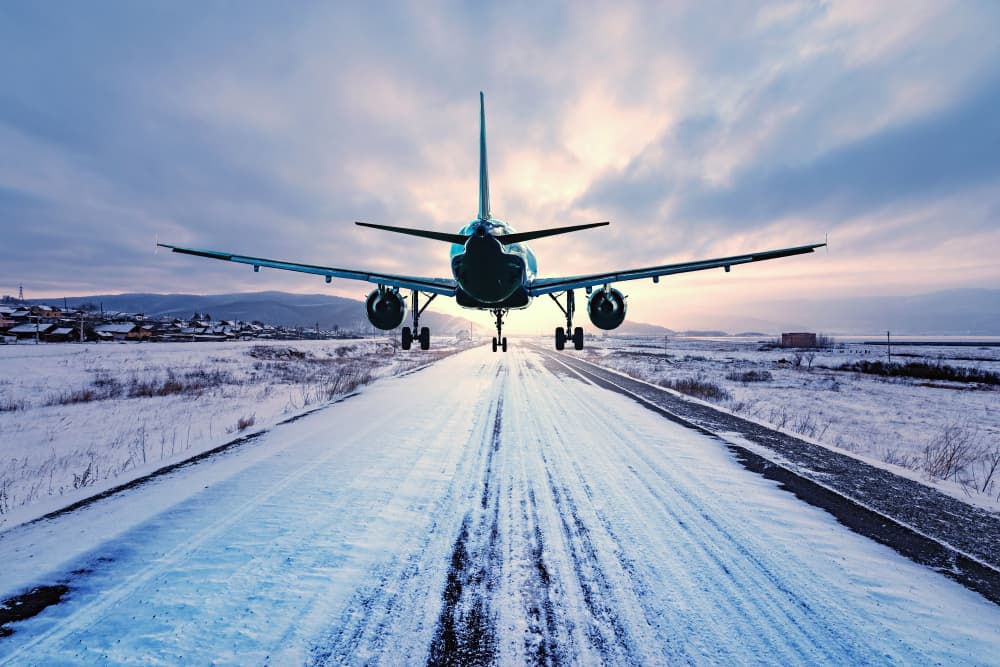
Flights are one of the hardest parts of an Iceland trip budget to estimate because prices depend on your departure country, travel dates, luggage, airline, and how early you book.
|
Departure Region |
Typical Return Flight Range |
Notes |
|
Europe |
20,000–55,000 ISK |
Budget airlines and short flight times can lower costs |
|
East Coast USA |
45,000–95,000 ISK |
Often cheaper than longer North American routes |
|
West Coast USA |
80,000–150,000 ISK |
Longer routes and connections can raise costs |
|
Canada |
60,000–125,000 ISK |
Prices vary by city, airline, and season |
Flight prices are usually highest around peak summer dates, school holidays, Christmas, New Year, and major events. To reduce costs, compare nearby departure airports, travel mid-week where possible, and book early if you are visiting during summer.
Accommodation Costs in Iceland
Accommodation is usually one of the largest parts of an Iceland travel budget. Prices vary by season, location, cancellation policy, room type, and how early you book.
Reykjavík and popular South Coast locations are often more expensive than smaller towns or rural guesthouses. A rental car can help you stay outside the busiest areas, where accommodation may be better value.
|
Accommodation Type |
Typical 2026 Range Per Night |
Best For |
|
Hostel bed |
5,000–8,000 ISK |
Solo travelers and budget travelers |
|
Budget guesthouse double room |
12,000–18,000 ISK |
Couples and simple road trips |
|
Mid-range hotel double room |
25,000–40,000 ISK |
Comfort and convenience |
|
Cottage / apartment |
20,000–45,000 ISK |
Families, groups, longer stays |
|
Luxury hotel or lodge |
50,000–90,000+ ISK |
Premium trips and special occasions |
If you want to save money, look for accommodation with breakfast, kitchen access, free parking, or a location that reduces driving time. For example Blue Luxurury appartments in downtown Reykjavik. In summer, book accommodation early, especially outside Reykjavík. In winter, prices can be more flexible, but weather and road conditions should guide your route.
Note that hotels and guesthouses in Iceland charge what is called a "lodging tax. Which is a fixed price per night, similar to many other countries accommondation taxes. Sadly you cannot claim this VAT back, but there are other things VAT taxes in Iceland you can claim to lower your travel budget.
Transportation Costs in Iceland
Transport is one of the biggest decisions in your Iceland budget. Most visitors choose between renting a car, joining guided tours, using airport transfers, or combining several options.
For travelers who want to explore outside Reykjavík, renting a car is often the most flexible option. It lets you choose your own schedule, adjust plans around weather, visit rural sights, stay outside expensive areas, and shop at supermarkets along the route.
Car Rental Costs in Iceland
|
Vehicle Type |
Summer |
Shoulder Season |
Winter |
Best For |
|
Small 2WD |
11,000–18,000 ISK/day |
8,000–14,000 ISK/day |
6,000–12,000 ISK/day |
Reykjavík, Golden Circle, paved summer routes |
|
Compact SUV / crossover |
16,000–25,000 ISK/day |
12,000–19,000 ISK/day |
9,000–16,000 ISK/day |
Couples, small groups, more comfort |
|
4x4 / larger SUV |
22,000–40,000 ISK/day |
16,000–30,000 ISK/day |
12,000–24,000 ISK/day |
Winter, rougher roads, Highlands/F-roads in season |
A smaller 2WD city car is usually the most affordable choice for paved routes in good conditions. A mid-sized SUV gives more space and comfort, while a large 4x4 SUV is recommended for winter driving, rougher roads, and routes where extra clearance is useful.
Fuel, EV Charging, and 2026 Road Tax
Fuel and road costs are important to include in your Iceland budget, especially if you are planning a self-drive trip.
Fuel Costs
Fuel prices in Iceland changed in 2026 when the old fuel-tax setup was replaced by a new road-tax system. As a planning range, many travelers should budget around 190–240 ISK per liter for petrol and around 210–270 ISK per liter for diesel, depending on the station, region, and current market conditions.
Source suggestion: Link to Blue’s 2026 fuel-price article and Gasvaktin for live pump prices. If possible, add “prices checked in [month/year]” before publishing.
|
Vehicle Type |
Example Consumption |
Example Daily Driving |
Estimated Fuel Use |
Estimated Daily Fuel Cost |
|
Small 2WD |
5.5–6.5 L/100 km |
200 km |
11–13 L |
2,200–3,100 ISK |
|
Crossover / SUV |
7–9 L/100 km |
200 km |
14–18 L |
2,800–4,900 ISK |
|
4x4 / larger SUV |
7.5–10 L/100 km |
200 km |
15–20 L |
3,200–5,400 ISK |
Real-world fuel use can rise in strong wind, winter weather, gravel-road driving, steep routes, or when carrying extra luggage or roof boxes.
New in 2026: Iceland Road Tax
From January 1, 2026, Iceland introduced a kilometer-based road tax for vehicles. The official rate for passenger cars and SUVs up to 3.5 tonnes is 6.95 ISK per kilometer, and the fee applies to vehicles regardless of whether they run on petrol, diesel, electricity, or another energy source.
For Blue Car Rental customers, the road tax is handled as a fixed daily fee instead of a per-kilometer charge. Blue Car Rental’s fixed daily road-tax fee is 1,550 ISK per rental day until 31 December 2026 and 1,770 ISK per rental day from 1 January 2027, so customers know the cost upfront and do not need to calculate kilometers at the end of the trip.
|
Rental Length |
Blue Fixed Daily Road-Tax Fee |
Total Road-Tax Cost |
Useful Comparison |
|
5 days |
1,550 ISK/day |
7,750 ISK |
Equal to about 1,115 km at 6.95 ISK/km |
|
7 days |
1,550 ISK/day |
10,850 ISK |
Equal to about 1,561 km at 6.95 ISK/km |
|
10 days |
1,550 ISK/day |
15,500 ISK |
Equal to about 2,230 km at 6.95 ISK/km |
Good to know: Iceland’s 2026 road tax is separate from parking fees, tunnel tolls, attraction fees, and fuel. When comparing rental-car prices, check whether road tax is already included, added daily, or calculated separately.

Food and Drink Costs in Iceland
Food is one of the easiest parts of your Iceland budget to control. Eating every meal in restaurants can become expensive, but groceries, bakeries, gas-station meals, and simple lunches can help keep costs manageable.
|
Item |
Typical 2026 Price Range |
Notes |
|
Coffee |
600–750 ISK |
Gas-station coffee is usually cheaper |
|
Bakery pastry |
500–900 ISK |
Good value for breakfast or snacks |
|
Sandwich / wrap |
1,500–2,200 ISK |
Common café or road-trip lunch |
|
Soup and bread |
1,800–2,800 ISK |
Common in towns and gas stations |
|
Basic restaurant main |
3,000–6,000 ISK |
Fish, lamb, burgers, or vegetarian mains |
|
Beer / alcoholic drink |
1,200–1,700 ISK |
Prices vary by location |
|
Grocery basket for two per day |
3,000–4,500 ISK |
Best for budget and self-drive travelers |
A good way to save money is to shop at supermarkets in Iceland such as Bónus, Krónan, and Netto, carry snacks in the car, and book accommodation with kitchen access when possible. Many travelers mix groceries for breakfast and lunch with a few restaurant dinners.
Tap water in Iceland is safe, clean, and free, so bring a reusable bottle instead of buying bottled water.
Activity and Attraction Costs
Many of Iceland’s most famous natural sights are free to visit, including waterfalls, beaches, lava fields, viewpoints, and scenic drives. However, some popular locations charge for parking, and guided activities can become a major part of your budget.
|
Activity Type |
Typical Price Range Per Person |
Notes |
|
1,500–2,500 ISK |
Lower-cost city activity |
|
|
1,000–1,500 ISK |
Authentic and budget-friendly |
|
|
Blue Lagoon or premium lagoon |
10,000–18,000+ ISK |
Prices vary by time, package, and availability |
|
12,000–16,000 ISK |
Seasonal availability and location vary |
|
|
20,000–32,000 ISK |
Guided activity; equipment often included |
|
|
18,000–28,000 ISK |
Usually winter-focused |
|
|
Snowmobiling |
25,000–45,000+ ISK |
Higher-cost activity |
If you are traveling on a budget, build your itinerary around free natural attractions and choose one or two paid experiences that matter most to you. If you are visiting in winter, leave flexibility in your schedule because weather can affect tours and road conditions.

Parking, Tolls, and Extra Driving Costs
Most natural attractions in Iceland are free to access, but some popular sites charge parking fees. Other road tolls such as city parking, national park parking, tunnel tolls, and some private attraction parking areas should be included in your budget.
|
Cost Type |
Typical Range |
Notes |
|
Nature-heavy day |
500–1,500 ISK |
For routes with mostly free outdoor sights and occasional parking |
|
City parking + museums |
1,500–3,000 ISK |
Varies by zone, time, and museum choices |
|
Mixed road-trip day |
1,000–2,000 ISK |
Good daily planning estimate for many self-drive routes |
Always read parking signs before leaving the car. Many parking fees are paid by app or card, so it is useful to have a payment card ready throughout your trip.
Iceland Trip Cost by Season
|
Season |
Cost Level |
What to Expect |
|
Winter, November–March |
Usually lower, except holidays |
Short daylight, northern lights, winter roads, possible need for 4x4 |
|
Shoulder season, April–May and September–October |
Often best value |
Fewer crowds, better availability, mixed weather |
|
Summer, June–August |
Usually highest |
Long daylight, peak demand, higher accommodation and car prices |
|
Christmas / New Year |
High-demand period |
Book early; accommodation and activities can sell out |
Summer gives you long daylight hours and easier access to many regions, but it is also the most expensive period for accommodation and rental cars. Winter can be better value, but road conditions, daylight, and weather need more planning. Shoulder season often gives the best balance of price, access, and crowd levels.
Best example for event-driven price spike is the August 2026 solar eclipse, where for rental cars, flights and accommondation is much higher than usual do to high demand.
5-Day Iceland Budget Example
A 5-day trip is best for Reykjavík, the Golden Circle, the South Coast, the Reykjanes Peninsula, and one lagoon or guided activity. It is not enough time for a relaxed full Ring Road trip.
|
Cost Category |
Budget |
Mid-Range |
Comfort |
|
Accommodation |
60,000 ISK |
125,000 ISK |
200,000 ISK |
|
Transport / car rental share |
35,000 ISK |
65,000 ISK |
100,000 ISK |
|
Fuel / road tax |
20,000 ISK |
30,000 ISK |
40,000 ISK |
|
Food |
35,000 ISK |
60,000 ISK |
90,000 ISK |
|
Activities |
10,000 ISK |
30,000 ISK |
80,000 ISK |
|
Total estimate for two |
160,000 ISK |
310,000 ISK |
510,000 ISK |
7-Day Iceland Budget Example
A 7-day trip gives you more flexibility and is ideal for a self-drive itinerary including Reykjavík, the Golden Circle, the South Coast, Jökulsárlón Glacier Lagoon, and possibly Snæfellsnes or extra time around Vík and Skaftafell.
|
Cost Category |
Budget |
Mid-Range |
Comfort |
|
Accommodation |
98,000 ISK |
196,000 ISK |
280,000 ISK |
|
Transport / car rental |
70,000 ISK |
126,000 ISK |
175,000 ISK |
|
Fuel / road tax |
31,850 ISK |
42,350 ISK |
50,850 ISK |
|
Food |
48,000 ISK |
113,000 ISK |
126,000 ISK |
|
Activities and parking |
23,000 ISK |
52,000 ISK |
135,000 ISK |
|
Total estimate for two |
270,850 ISK |
529,350 ISK |
766,850 ISK |
10-Day Iceland Budget Example
A 10-day trip gives you enough time for a fuller road trip. Depending on season and conditions, many travelers use 10 days for the Ring Road or a deeper South Coast and West Iceland itinerary.
|
Cost Category |
Budget |
Mid-Range |
Comfort |
|
Accommodation |
140,000 ISK |
280,000 ISK |
400,000 ISK |
|
Transport / car rental |
100,000 ISK |
180,000 ISK |
250,000 ISK |
|
Fuel / road tax |
45,500 ISK |
60,500 ISK |
75,500 ISK |
|
Food |
70,000 ISK |
160,000 ISK |
190,000 ISK |
|
Activities and parking |
35,000 ISK |
80,000 ISK |
180,000 ISK |
|
Total estimate for two |
390,500 ISK |
760,500 ISK |
1,095,500 ISK |
Is It Cheaper to Rent a Car or Take Tours in Iceland?
For many travelers, renting a car can be more flexible and cost-effective than booking multiple day tours, especially for couples, families, and small groups. A rental car lets you visit attractions on your own schedule, shop for groceries, stay outside central Reykjavík, and adjust your route around weather.
Tours can still be a better choice if you do not want to drive, are traveling solo, or want access to activities that require a certified guide, such as glacier hikes, ice caves, snowmobiling, or certain winter experiences.
|
Travel Style |
Often Better Option |
Why |
|
Solo traveler staying in Reykjavík |
Depends |
Tours may be simpler if you do not want to drive |
|
Couple visiting South Coast and Golden Circle |
Rental car |
Costs are shared and schedule is flexible |
|
Family or small group |
Rental car |
Transport cost is shared across travelers |
|
Winter traveler not comfortable driving |
Guided tours |
Less stress in difficult conditions |
|
Traveler visiting remote areas |
Rental car |
More flexibility and route control |
How to Save Money on a Trip to Iceland
- Travel outside peak summer if possible. Shoulder season can offer better value than June, July, and August while still giving good access to major routes.
- Book accommodation early. This is especially important for summer, Christmas, New Year, and popular South Coast locations.
- Choose the right rental car. Do not overpay for a vehicle you do not need, but do not under-spec either. A 2WD can be enough for paved summer routes, while a 4x4 is often a better choice in winter or for more demanding routes.
- Shop at supermarkets. Groceries, bakery stops, and simple road-trip meals can save a lot compared with eating every meal in restaurants.
- Stay somewhere with kitchen access. A kitchenette can reduce food costs, especially for families and longer trips.
- Group sights by region. Avoid unnecessary backtracking. Good route planning saves fuel, time, and stress.
- Pick paid activities carefully. Many of Iceland’s best sights are free. Choose the paid experiences that matter most instead of filling every day with tours.
- Check what is included in your car rental. Compare insurance, road tax, mileage, deposits, extra-driver fees, airport pickup, and support, not just the headline daily price.
Suggested 2026 Iceland Budget Checklist
- Flights
- Accommodation
- Car rental or transport
- Road tax
- Fuel or EV charging
- Parking and tolls
- Food and groceries
- Paid tours and activities
- Travel insurance
- Luggage fees
- Winter clothing or gear
- Emergency buffer of around 10–15%
Is Iceland Worth the Cost?
Absolutely.
Yes, Iceland costs more than many destinations, but it offers once-in-a-lifetime experiences you can’t find anywhere else. Between powerful waterfalls, black sand beaches, glacier landscapes, geothermal pools, volcanoes, and the chance to see the Northern Lights in winter, Iceland is a nature lover’s dream.
If you plan smart, book early, choose the right vehicle, and keep a realistic budget, your trip to Iceland can be unforgettable and manageable.
Related Iceland Budget Guides
There is more to see in Iceland. For more planning help, visit the Blue Car Rental travel information hub or watch our video on how to save money in Iceland.
 ICELAND RING ROAD ITINERARY: 7-DAY ROAD TRIP GUIDE AROUND THE LAND OF FIRE AND ICE