THE BLUE NATURAL WONDERS IN ICELAND BLOG
Your Comprehensive Guide to Iceland’s Most Stunning Landscapes
Iceland’s natural wonders are not scattered far apart like they are in many other countries—they’re concentrated, dramatic, and often surprisingly accessible. One day you can stand beside a roaring waterfall, drive through lava fields shaped by eruptions, walk a black-sand beach backed by basalt cliffs, and end the evening soaking in geothermal water with mountains on the horizon.
Self-driving is the key to experiencing these places properly. With a rental car, you can visit Iceland’s most famous landmarks early (before the crowds), add quieter detours, and build an itinerary around weather, daylight, and your travel style, not a fixed tour schedule.
At the same time, Iceland’s landscapes come with real responsibilities. Some sites are fragile, some areas change with volcanic activity or seasonal closures, and many “quick stops” require basic planning for wind, waves, icy paths, or gravel roads.
This cornerstone guide brings together the essentials wonder types, best regions, seasonal planning, vehicle choice, safety tips, and ready-made route ideas, so you can explore confidently and responsibly.
Understanding Iceland’s Natural Wonders (And How to Plan Them)
Natural wonders by type (what you’ll actually see)
Iceland’s most common “wow” landscapes fall into a few categories:
- Waterfalls: powerful cascades fed by glaciers and mountain rivers
- Glaciers + ice: ice caps, glacier tongues, lagoon areas, seasonal ice caves
- Geothermal sites: geysers, steam vents, hot springs, geothermal lagoons
- Volcanic landscapes: lava fields, craters, eruption zones (conditions can change)
- Coastal wonders: black-sand beaches, sea stacks, cliffs, bird cliffs
- Canyons + basalt formations: dramatic river cuts, columnar rock, short hikes
- Highlands: remote interior routes, open only in summer on mountain roads
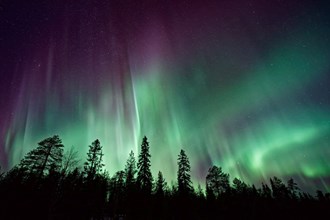
- Sky wonders: Northern Lights in winter; rare special events
The easiest way to plan is to choose a region first, then pick 1–2 wonder types per day.
The Best Regions for Natural Wonders (Self-Drive Friendly)
Golden Circle + South Coast (best for first-time visitors)
This is the classic combination because it packs variety into short drives and strong road access.
Expect:
- National park landscapes
- Geothermal activity
- Iconic waterfalls
- Black-sand beaches
- Glacier-adjacent viewpoints
Golden Circle driving directions guide
Extra stops along the Golden Circle
Snæfellsnes Peninsula (the “Iceland in miniature” region)
Snæfellsnes is famous for mixing coastline, mountains, lava features, and photogenic viewpoints into a compact route.
Kirkjufell / iconic Snæfellsnes stop guide
North Iceland (waterfalls + geothermal landscapes with fewer crowds)
North Iceland often feels more relaxed, with major waterfalls and geothermal features that pair well with Ring Road travel.
Goðafoss guide
North Iceland
Highlands (raw, remote, and seasonal)
The Highlands are Iceland’s interior wilderness. This is where you go for multi-hour landscapes, highland hikes, and “I can’t believe this is real” terrain—if you visit at the right time with the right vehicle.
Highlands overview guide
Landmannalaugar by rental car guide
Kjalvegur F-road scenic route guide
Natural Wonders You Can Visit by Rental Car
Waterfalls
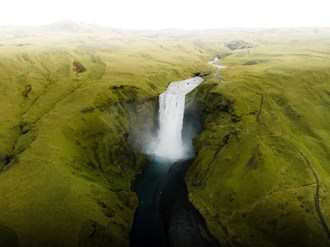
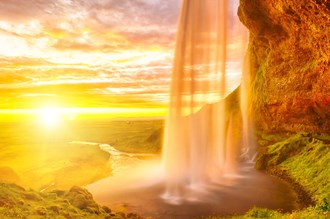
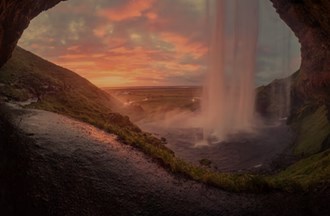
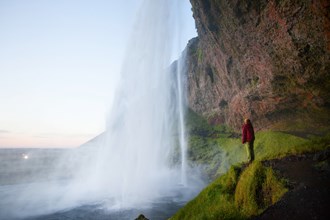
Waterfalls are Iceland’s most reliable natural wonder: accessible, photogenic, and impressive in every season.
What to know
Many falls are close to parking areas, but paths can be slippery (winter) or muddy (spring).
Wind can blow spray sideways—waterproof outer layers matter.
Best way to plan
Pick 1–2 “major” waterfalls per day, then add smaller roadside stops as time allows.
Top waterfalls accessible by rental car (list)
Skógafoss
Gullfoss
Dettifoss
Geothermal wonders (Geysers, hot areas, and geothermal lagoons)
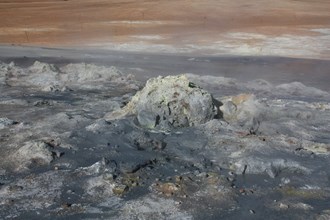
Geothermal landscapes are part of everyday life in Iceland. Some sites are raw and steamy, others are designed for soaking and relaxing.
Geysers and geothermal areas
What to know
Stay on marked paths—ground can be fragile and dangerously hot.
Eruptions (like Strokkur) can be frequent, so waiting times are usually short.
Geysir geothermal area guide
Þingvellir National Park guide
Geothermal lagoons and hot pools
A lagoon stop is perfect at the end of a driving day—especially in colder seasons.
Glaciers, ice caves, and the “ice + black sand” coastline
Glaciers are one of Iceland’s defining features. Even if you don’t take a glacier tour, you can still build a day around glacier viewpoints and lagoon landscapes.
What to know
Glacier areas are often windier and colder than nearby towns.
Ice caves are typically seasonal and often require guided access (plan ahead).
Glaciers you can see by rental car (overview)
Vatnajökull self-drive guide
Ice caves guide
Diamond Beach guide
Black-sand beaches, cliffs, and sea stacks
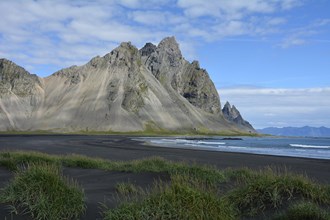
Iceland’s coastline is a natural wonder category on its own: black sand, basalt formations, sea stacks, and dramatic cliffs.
Safety first
“Sneaker waves” can be dangerous and unpredictable.
Keep distance from the surf; don’t turn your back on the ocean near wave zones.
Reynisfjara guide
Dyrhólaey guide
Hvítserkur sea stack guide
Canyons and basalt formations
Canyons offer high impact with relatively short hikes—ideal for travelers who want scenery without committing to an all-day trek.
What to know
Some canyon sites close intermittently to protect trails.
Stay on paths; canyon edges can be unstable.
Fjaðrárgljúfur canyon guide
Stuðlagil canyon guide
Iceland’s best canyons (list)
Volcano landscapes and eruption areas (travel smart)
Volcanic terrain is part of Iceland’s identity—but eruption access, trail conditions, and closures can change quickly.
How to approach volcano content in a cornerstone page
Keep your advice evergreen: safety, etiquette, flexibility.
Use your “update” posts for time-sensitive conditions.
Reykjanes volcano update
Do not walk to the eruption” safety guide
Highlands and F-roads (summer-only, 4x4 required)
Highlands routes are not “optional add-ons.” They’re a dedicated travel style.
What to know
Many Highland roads are F-roads (mountain roads) and open only in summer.
Services are limited; conditions can change quickly.
Landmannalaugar guide
Highlands “top places” list
Wildlife and nature encounters
Self-driving makes wildlife stops easier because you can plan around timing, tides, and weather.
What to know
Observe from a respectful distance.
Wildlife viewing is often best early or late in the day.
Ytri-Tunga seals guide
Whale watching by rental car (locations)
Iceland wildlife by rental car overview
Sky wonders: Northern Lights (and special events)
For many visitors, the Northern Lights are the ultimate natural wonder. The key is to stay flexible and drive responsibly.
What to know
You need darkness, clear skies, and patience.
Don’t drive while actively searching—choose safe pull-outs and plan routes.
Northern Lights guide (self-drive)
Aurora road trip tips
Optional special event content
If you’re promoting major sky events (like the solar eclipse content you’ve published), keep it as an “extra” section so it doesn’t distract from the evergreen pillar.
Choosing the Right Vehicle for Natural Wonders
2WD: best for paved routes and classic highlights
Choose 2WD if:
- You’re traveling in summer (or stable shoulder-season conditions)
- Your plan is mostly the Golden Circle, South Coast, Reykjavík day trips, and main highways
SUV: better comfort and stability year-round
Choose an SUV if:
- You want extra comfort on mixed surfaces
- You’re traveling in shoulder seasons or winter
- You’ll be doing longer days with more varied conditions
4x4: essential for the Highlands and F-roads
Choose a 4x4 if:
- Your itinerary includes Highlands destinations
- You plan to drive F-roads (when open)
- You want the most flexibility when conditions change
Seasonal Planning for Natural Wonders
Summer (May–September)
- Best for Highlands access and long daylight
- Great for Ring Road travel and coastlines
- Still watch for gravel sections and single-lane bridges
Autumn (September–October)
- Beautiful light and fewer crowds
- More storms and shorter days
- Highlands roads begin to close
Winter (late October–April)
- Aurora season and dramatic icy landscapes
- Short daylight, more road closures, wind hazards
- Plan shorter driving days and prioritize flexibility
Spring (April–early May)
- Mixed conditions: rain, snow, sun in one day
- Muddy trails and variable road surfaces
- Great time for quieter sightseeing if you’re prepared
Winter road trip guide
Seasonal road condition guide
Safety and Responsible Travel at Natural Wonders
Beaches and waves
- Keep distance from the surf
- Don’t step onto wet sand near breaking waves
- Always supervise children closely
Wind and doors
- Hold car doors firmly when opening (wind can damage doors instantly)
- Park facing into the wind when possible
Trails and fragile areas
- Stay on marked paths
- Respect closures and signage
- Never drive off-road (illegal and damaging)
Eruption zones
- Follow official guidance and closures
- Avoid risky “shortcut” behavior
- Treat updates as time-sensitive
Conclusion: Explore Iceland’s Natural Wonders Responsibly
Iceland’s natural wonders are one of the best reasons to choose a self-drive trip: the freedom to explore waterfalls, glaciers, geothermal landscapes, volcanic terrain, black-sand beaches, and remote coastlines on your own schedule.
That freedom works best with preparation—knowing your route, matching your vehicle to your plans, respecting seasonal conditions, and staying safe around beaches, cliffs, and rapidly changing weather.
When you plan smart and travel responsibly, Iceland rewards you with a landscape that feels truly unforgettable—every single day on the road.