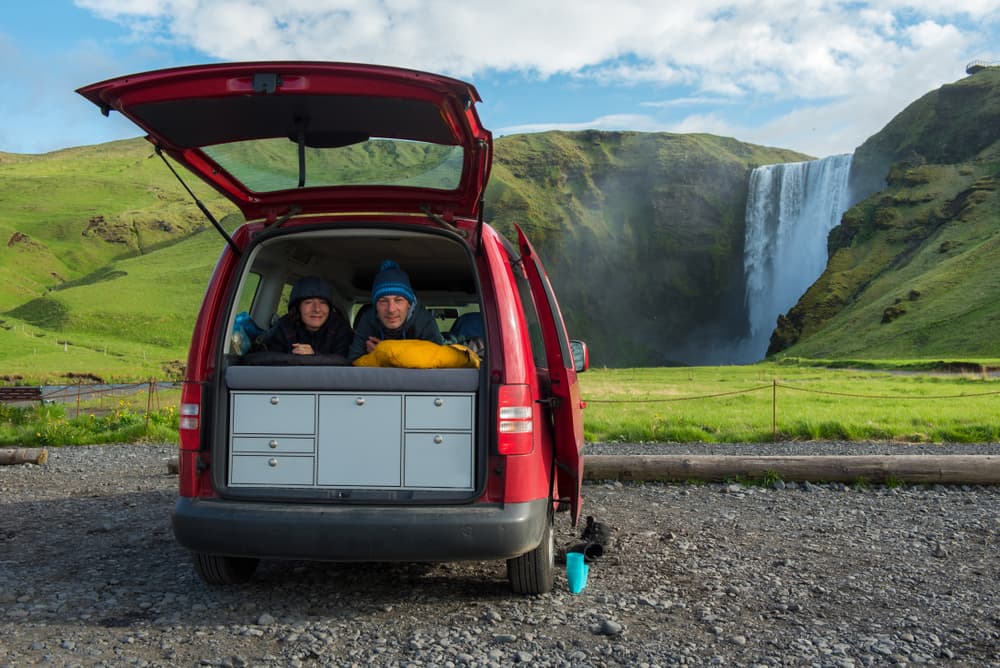

Choosing between a campervan and a standard rental car is one of the first real decisions in planning an Iceland road trip, and it shapes your budget, comfort, and route options more than most travellers expect. This guide compares both in plain terms, cost, weather, driving conditions, and where each one genuinely makes sense, so you can pick the setup that fits your season and itinerary, not just the one that looks appealing in photos.
Short answer: For most travellers, a standard rental car paired with guesthouses or hotels is the more practical and comfortable choice, especially outside July and August. A campervan can work well for a summer trip built around campsites, but it comes with higher running costs, legal camping restrictions, and real limitations in shoulder season and winter. Neither option changes the rule that Iceland's F-roads require a proper 4x4, campervan or not.
Campervan or car in Iceland, a quick comparison
Here's how the two options stack up across the factors that actually affect a trip in Iceland.
| Factor | Campervan | Standard rental car |
|---|---|---|
| Typical running cost | Higher rental rate, plus fuel and campsite fees | Generally lower, especially economy or compact classes |
| Comfort | Compact sleeping space, shared cooking area | Real bed, private bathroom, indoor dining at your accommodation |
| Winter suitability | Not recommended, cold, wind, and icy roads make van life difficult | Winterized 4x4 or 2WD options handle seasonal conditions better |
| Driving and parking | Larger footprint, harder to manoeuvre in Reykjavík and narrow roads | Easier to park and drive in towns and cities |
| Highland / F-road access | Only permitted if the vehicle is a properly registered 4x4 | Same rule applies, a 4x4 is legally required, camper or car |
| Overnight flexibility | Legal only at designated campsites (wild camping is not allowed) | Book guesthouses, hotels, or Airbnbs along your route |
| Insurance and cover | Varies by provider | Blue Car Rental includes CDW, SCDW, Gravel Protection, Theft Protection, and Third-Party Liability on every rental, with a Liability Waiver available for water, underbody, tyre, wind-door, sand and ash cover |
What a campervan offers in Iceland
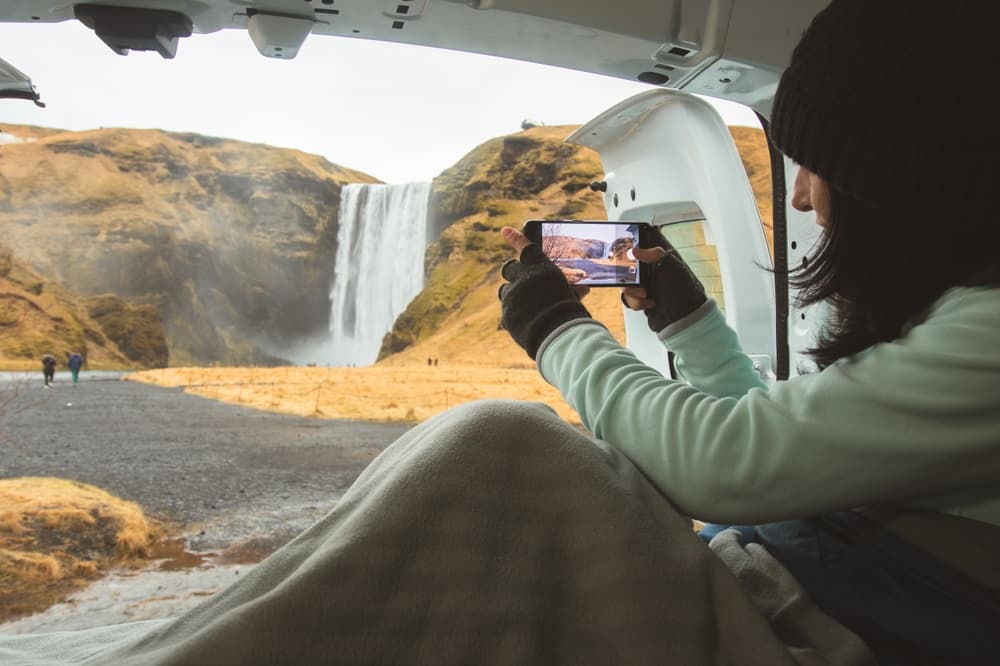
A campervan appeals to travellers who want a self-contained, flexible way to move through the country, and in the right season it can deliver that. During June to August, long daylight hours and milder temperatures make van travel genuinely manageable, and the appeal of parking near a glacier or waking up by the coast is real.
The practical upsides are:
- Accommodation built in, but legally, that means staying at official, designated campsites, not pulling over wherever you like.
- Looser itinerary, no hotel check-in windows to plan around.
- Everything in one vehicle, transport, sleeping space, and a basic kitchen setup combined.
Outside of summer, though, these advantages shrink quickly, and several of the cons below become more pronounced.
Where campervans fall short
The gap between the idea of van life and the reality of it in Iceland is where most disappointment comes from. Costs run higher than expected, comfort is limited, and legal restrictions are stricter than many travellers assume.
- Cost adds up fast. Campervan rental rates tend to run higher than standard cars, and fuel consumption plus nightly campsite fees close the gap even further, no matter how the trip is marketed.
- Icelandic weather doesn't pause for summer. Even in July, nights can turn cold and windy, and a van offers far less insulation than a heated room.
- Wild camping is illegal. You're required to stay at official campsites, which adds both cost and planning, you can't simply park and sleep wherever the view is good. Our guide to camping in Iceland with a rental car covers what's actually allowed.
- Comfort is limited. No private bathroom, tight sleeping quarters, and a shared cooking setup are fine for some travellers and a real drawback for others, especially families.
- Larger vehicles are harder to handle. Manoeuvring a van through central Reykjavík, narrow village streets, or gravel side roads takes more care than driving a compact car.
- Shoulder and winter seasons change everything. Wind, snow, and ice make van-based travel considerably less practical from around October through April. Our winter driving guide explains what that means for any vehicle, campervan included.

What a standard rental car offers
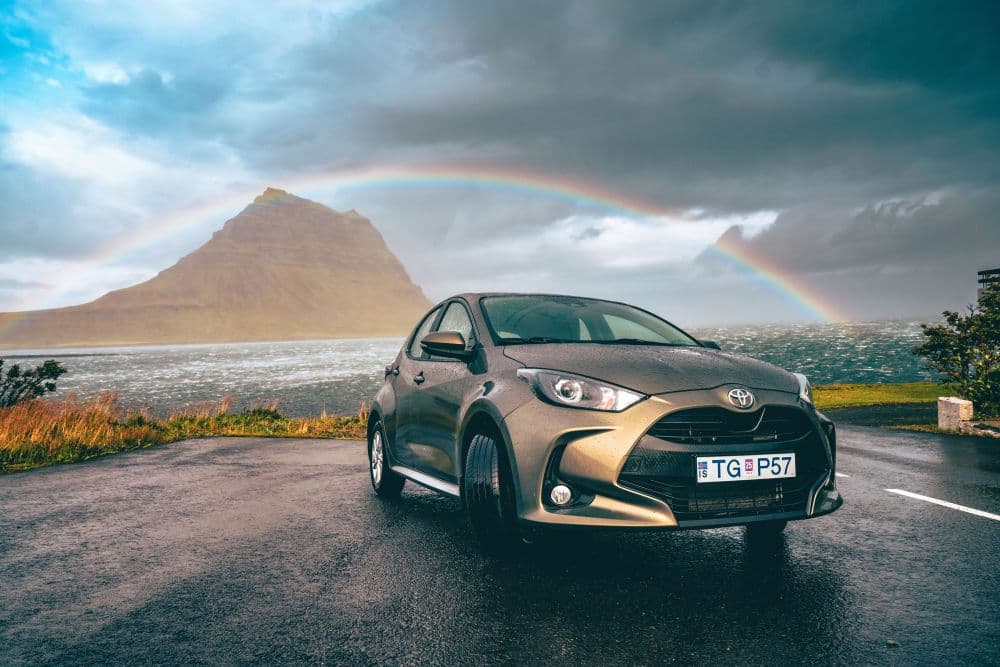
A regular rental car is generally the more comfortable, cost-effective, and season-flexible way to see Iceland, particularly if your trip includes anything outside the peak summer window. Because Iceland has a wide network of guesthouses, hotels, and Airbnbs, many with hot tubs, heating, and private bathrooms, pairing a car with proper accommodation often works out better on both comfort and cost.
Some practical advantages worth weighing:
- Lower rental and fuel costs, especially with economy, compact, or hybrid options, see what to expect from car rental costs in Iceland.
- A vehicle sized to your route. Blue Car Rental's full fleet ranges from 2WD cars for summer Ring Road driving to 4x4s for winter or the Highlands. For groups of up to nine, Blue Car Rental rents two nine-seat vans: the Toyota Proace (automatic) and the Renault Trafic (manual), both two-wheel drive.
- Easier city and rural driving, particularly around Reykjavík's parking zones and narrower rural roads.
- Every rental includes core cover, CDW, SCDW, Gravel Protection, Theft Protection, and Third-Party Liability are standard, and a Liability Waiver is available covering water damage (including legal river crossings), underbody, tyre, wind-door, sand and ash damage. Illegal crossings or off-road driving aren't covered by any policy, see our note on off-road driving rules.
- No deposit held. Blue Car Rental takes a credit-card imprint as security rather than blocking funds, which is worth understanding before you book, details in our car rental deposit guide.
- Faster pickup. Online check-in and key-box collection (for customers who add the Liability Waiver and complete online check-in) at Keflavík Airport mean less time spent at a counter after a long flight.
The trade-offs of a standard rental car
None of this makes a rental car flawless, it just makes the trade-offs smaller and easier to plan around.
- No built-in bed. You'll need to book accommodation along your route, though Iceland has enough guesthouses and hotels that this is rarely difficult, even last-minute in most regions.
- Less spontaneous overnighting. You can't simply pull over and sleep, but since wild camping is illegal for campervans too, this isn't really a campervan advantage either.
- No in-vehicle kitchen. Supermarkets, cafés, and petrol-station food courts are widespread enough along Route 1 (the Ring Road) that this rarely becomes a real obstacle.
Which one actually fits your trip?
The right choice depends less on personal preference and more on season, group size, and route.
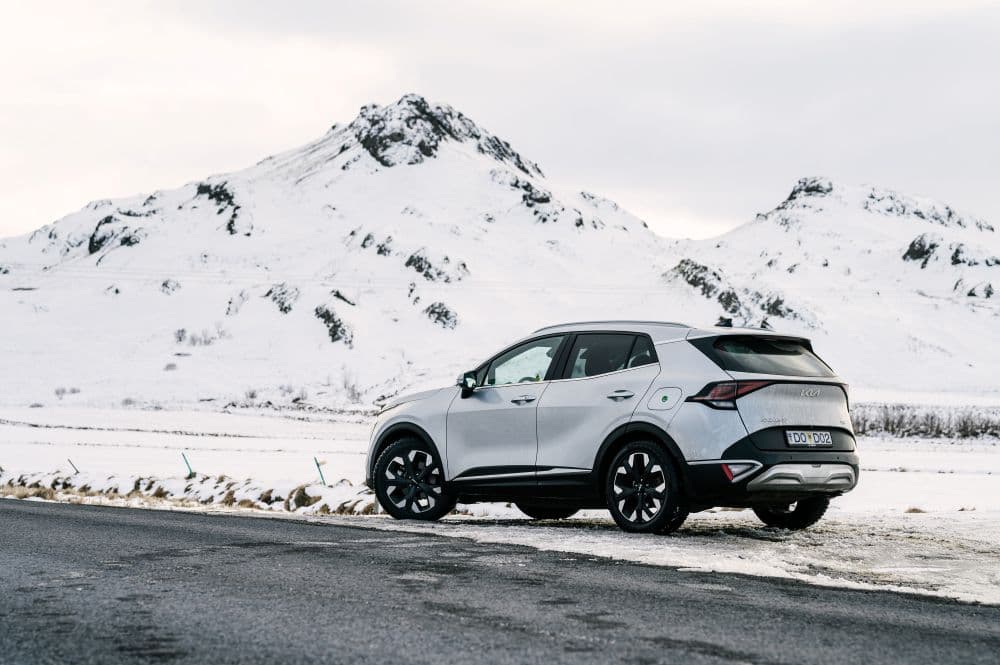
- Traveling outside June–August: a rental car, ideally a winterized 4x4, handles cold, wind, and variable road surfaces far better than a van. Check umferdin.is and vedur.is before any winter departure, regardless of vehicle type.
- Families or couples wanting comfort: a private room and bathroom each night outweighs the novelty of van life for most people after the first night or two.
- Highland routes like F208 into Landmannalaugar: only a properly registered 4x4 is legally permitted on F-roads, campervan or car makes no difference here. Our F-roads guide and 4x4 vs 2WD comparison walk through what's actually required.
- Combining Reykjavík with a road trip: a smaller car is easier to park in the city before heading out on the Ring Road.
- Budget-conscious trips: compact or economy cars, paired with guesthouses booked in advance, tend to work out more predictably than van rental plus campsite fees. Our guide on keeping rental costs down has more on this.
If you're weighing whether a 4x4 is necessary at all for your itinerary, this 7-question checklist is worth a look before you book either vehicle type.
Does a campervan actually save you money?
Not usually, and this is the concern hiding behind most "campervan vs car" searches. Campervan rental rates tend to run higher than standard car rates, fuel consumption is generally greater, and official campsite fees are added on top, while a compact or economy car paired with a modest guesthouse often lands in a similar or lower total range. Costs vary by season and provider, so it's worth pricing both options for your specific dates rather than assuming either is automatically cheaper. For a fuller breakdown of what tends to drive rental costs up or down, see our guide on hidden costs of renting a car in Iceland.
The real question: comfort and reliability, not just cost
If you're deciding between a campervan and a car, the underlying worry is usually less about price and more about whether you'll be comfortable, safe, and able to actually reach the places you're planning to see. A well-chosen rental car, matched to your season and route, generally answers all three better than a campervan does outside of peak summer, and it doesn't lock you into campsite-only overnights. Choose the vehicle class that fits your itinerary, check road and weather conditions before you set out, and the rest of the trip tends to fall into place.
 PARKING IN REYKJAVÍK: ZONES, PAYMENT, AND WHERE TO LEAVE YOUR CAR