THE BLUE ICELANDIC CULTURE BLOG
A Comprehensive Guide for the Curious Traveler
Icelandic culture is shaped by a small population, extreme landscapes and a long history of independence. Today the island nation of about 400,000 people maintains a deep respect for its Viking heritage and folklore while embracing modern food, music and design.
In this guide you’ll learn how Icelanders live, eat and celebrate, discover how to experience cultural highlights by car and explore the traditions that make Iceland one of the most distinctive countries in the world.
Life in a Small Nation
Population and settlement patterns
- How many people live in Iceland? The population of Iceland is roughly 387,800 people. About 85% of residents are native Icelanders, with many more living abroad. By global standards, Iceland ranks around #170 in population size.
- Where do people live? Over 60% of Icelanders live in the Reykjavík capital region, and more than 80% live within a one-hour drive of the city. Other towns such as Akureyri in the north (around 20,000 residents), Selfoss and Hveragerði in the south (around 15,000 combined), and fishing villages in the Westfjords are small by international standards.
- Why does it feel empty? Iceland covers about 103,000 km² but has only around 3.5 people per km², making it one of the least densely populated countries in the world. Large areas of the central highlands remain uninhabited wilderness, offering a rare sense of solitude.
- Immigration and diversity play an increasing role in Icelandic society. Around 16–18% of residents are foreign-born, with notable communities from Poland, Lithuania, the Philippines and Syria. Most immigrants settle in Reykjavík and tourism-heavy regions, attracted by safety, work–life balance and job opportunities.
Living conditions and values
- Identity and heritage are deeply important to Icelanders. The nation treasures its medieval sagas, oral storytelling traditions and detailed genealogy records. The Icelandic language has changed little over the last 1,000 years, and nearly everyone speaks fluent English as well.
- Equality and family life are central values. The gender split is nearly even, the median age is around 37, and children are often born outside marriage without stigma. Generous parental leave policies allow both parents to spend time with newborns.
- Religion and spirituality remain present but understated. Most Icelanders belong to the Evangelical-Lutheran Church, though regular church attendance is low. Belief in elves and hidden people still influences daily life, and folklore occasionally affects road planning and construction.
- Timekeeping in Iceland is unique. The country remains on GMT/UTC +0 year-round and does not observe daylight saving time. Travelers should plan activities based on daylight hours rather than the clock, especially in summer and winter.
Icelandic Food and Drink
Must-try road-trip foods
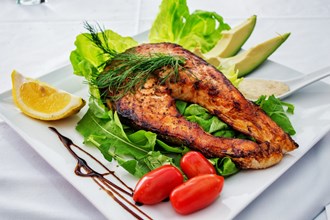
- Skyr – A thick, creamy dairy product similar to yogurt, high in protein and perfect for breakfast or snacks.
- Harðfiskur (dried fish) – Iceland’s version of jerky, rich in protein and omega-3s.
- Kleinur – Twisted fried doughnuts often enjoyed with coffee.
- Icelandic chocolate – Frequently flavoured with sea salt or wild berries; liquorice-chocolate combinations are popular.
- Hot dogs (pylsur) – Made from lamb, pork and beef and topped with ketchup, mustard, remoulade and crispy onions.
Adventure foods include hákarl (fermented shark), plokkfiskur (a comforting fish stew), and free-roaming Icelandic lamb. Brennivín is traditionally paired with stronger dishes, though never when driving.
Iceland’s beer culture and Beer Day
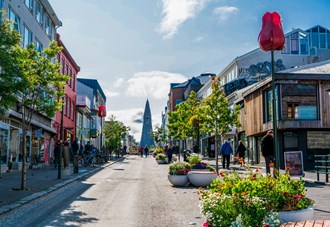
On 1 March Icelanders celebrate Beer Day, marking the end of a 74-year beer prohibition that lasted until 1989. Today the celebration includes drink specials across Reykjavík, particularly along Laugavegur and Austurvöllur plaza. Popular beers include Víking, Egils Gull and craft brews from Kaldi, Einstök and Gæðingur.
Fusion and international influences
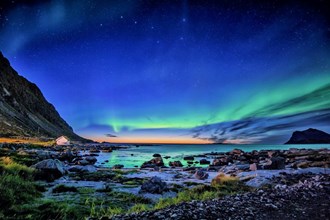
Iceland embraces multicultural traditions. Chinese New Year is celebrated in Reykjavík with parades, dragon dances and fusion cuisine that blends Icelandic seafood and lamb with Chinese flavours. Lantern releases often replace fireworks and may coincide with Northern Lights displays.
Celebrations, Festivals and Folklore
Winter festivals and New Year traditions
Winter in Reykjavík features events such as the Winter Lights Festival, Food & Fun Festival and Chinese New Year celebrations. Across the country, Christmas markets and J-Day beer releases fill towns with music and lights.
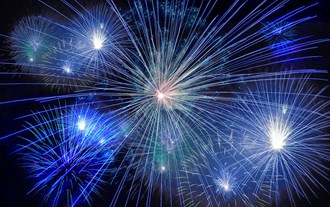
New Year’s Eve is Iceland’s most spectacular celebration. Fireworks purchased from rescue squads light up the sky, bonfires are lit across communities, and folklore suggests elves roam freely that night. Hallgrímskirkja is one of the best places to watch the fireworks.
Valentine’s Day vs. Bóndadagur & Konudagur. While Valentine’s Day is becoming popular, traditional romantic days are Husband’s Day (Bóndadagur) in January and Women’s Day (Konudagur) in February. Couples celebrate with gifts, special meals or romantic trips to hot springs, waterfalls and cozy cabins. Driving the Golden Circle or South Coast by car is a favourite way to celebrate.
Spring and summer festivities
The Iceland in 2026 guide highlights events you can visit by car throughout the year. Notable spring and summer festivals include the Reykjavík Arts Festival (late May–mid‑June), the National Day on 17 June, the Viking Festival at Hafnarfjörður, music festivals like Secret Solstice and Iceland Airwaves, and local town days (e.g., Verslunarmannahelgi in August). In August 2026 a total solar eclipse will cross Iceland—a rare astronomical event celebrated with outdoor gatherings.
Yule Lads and the Christmas Cat
Icelandic Yule traditions are quirky. Thirteen Yule Lads—mischievous trolls with names like Door‑Slammer and Sausage‑Swiper—visit children on the 13 nights before Christmas, leaving gifts or potatoes in shoes. They are the sons of the mountain ogress Grýla, who punishes naughty children. An even more fearsome creature is Jólakötturinn, the Christmas Cat, a huge feline who prowls the countryside during the festive season and eats anyone who hasn’t received new clothes. This tradition encourages generosity; the Yule Lads sometimes give clothing to the needy. A statue of the Christmas Cat is displayed in Reykjavík each December.
Cultural Quirks and Fun Facts
- Iceland has virtually no mosquitoes.
- The country has no standing army.
- Iceland is the smallest nation to qualify for the FIFA World Cup.
- Surnames follow patronymic or matronymic traditions.
- Belief in elves still influences construction decisions.
Exploring Culture by Car
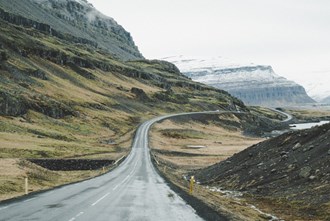
Renting a car is the best way to experience Icelandic culture independently. Public transport is limited, there are no trains or rideshare services, and taxis are expensive. A car allows access to cafés, festivals, hot springs and remote villages.
Reykjavík and surroundings
Keflavík International Airport is about a 40-minute drive from Reykjavík, making car rental the most flexible option. Within the city, a car provides easy access to attractions, especially in winter.
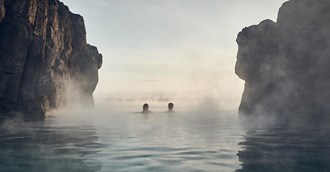
Popular stops include Sky Lagoon, Perlan, Laugardalur valley, Bláfjöll ski area and the Hafnarfjörður Viking Village. Day trips to the Golden Circle, Snæfellsnes Peninsula, Glymur Waterfall and the Blue Lagoon are all easily done by car.
Themed road trips
Themed itineraries include visiting filming locations from TV series, joining Beer Day crawls, celebrating Chinese New Year, and exploring Christmas markets and New Year bonfires across the country.
Practical Tips for Car-Based Cultural Exploration
- Choose a small car for summer and city travel; use a 4×4 in winter or for highland routes.
- Always check road and weather conditions before driving.
- Carry warm clothing, food and fuel, especially in winter.
- Support local companies for better service and cultural insight.
Conclusion
Icelandic culture blends ancient sagas, resilient communities, rich folklore and modern creativity. From world-famous New Year fireworks to quirky Christmas legends and vibrant multicultural festivals, the country offers cultural experiences in every season.
A rental car unlocks these experiences by giving you the freedom to explore on your own schedule. Respect local traditions, drive responsibly and support Icelandic businesses, and you’ll gain a deeper understanding of why the land of fire and ice captures the imagination of travelers worldwide.