THE BLUE DRIVING IN ICELAND BLOG
Your Comprehensive Guide to Exploring the Land of Fire and Ice
Driving in Iceland is more than just getting from one place to another — it is the key to truly experiencing the country on your own terms. With ever-changing landscapes, dramatic weather, and roads that lead to waterfalls, volcanoes, glaciers, and remote coastal villages, a self-drive journey offers freedom that guided tours simply can’t match.
That said, Iceland’s unique environment also demands preparation. Road types, seasonal conditions, speed limits, and vehicle choice all play a major role in how safe and enjoyable your trip will be. Whether you’re planning a summer Ring Road adventure, a winter northern lights chase, or a family road trip, understanding how driving works in Iceland is essential.
This guide brings together everything you need to know — from road conditions and seasonal driving tips to vehicle selection, safety rules, and practical advice — so you can explore Iceland confidently, responsibly, and stress-free.
Understanding Iceland’s Roads and Driving Conditions
Road types
- Ring Road (Route 1): a paved highway that loops around Iceland for 1,332 km. It is generally two lanes but features single‑lane bridges, so drivers should slow down and yield as needed. It connects most major towns and attractions.
- Paved roads (numbers 1–99): these routes link towns and popular sites. The speed limit is usually 90 km/h on rural paved roads.
- Gravel roads (numbers 200–999): often less maintained and narrower. The speed limit drops to 80 km/h and drivers must watch for loose stones, blind hills, single‑lane bridges and wandering livestock.
- F‑roads (highland roads): unpaved mountain tracks open only in summer (typically mid‑June to late September). They often include river crossings and uneven surfaces; a 4×4 is required by law and driving these roads in a 2WD will void your insurance. These roads lack services and can close suddenly due to weather.
- Black‑sand beaches: formed from finely ground volcanic lava. Famous examples include Reynisfjara, Diamond Beach, Dyrhólaey, Sólheimasandur and Hvalnes. Parking is available near the beaches, but driving on the sand itself is prohibited because it damages fragile ecosystems.
Seasonal conditions
- Summer (May–September): roads are generally clear and all regions are accessible. Long daylight hours (the midnight sun) allow flexible schedules, but gravel sections and single‑lane bridges still require caution. Summer itineraries often include the Ring Road, the South Coast and the East Fjords.
- Autumn (September–October): daylight decreases and temperatures drop. F‑roads begin to close and highland routes may become impassable. Storms are frequent; always monitor road.is for closures.
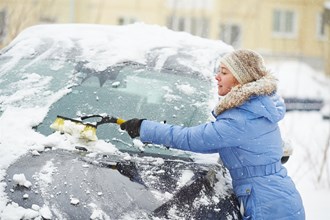
- Winter (late October–April): snow, ice and strong winds dominate. Daylight can be as little as 4–5 hours. Roads may close temporarily; always check road.is and vedur.is. A 4×4 with studded winter tyres is strongly recommended because surfaces can change from wet to slush to ice. Travellers should pack emergency supplies and plan shorter driving days. Certain areas like the Highlands and some parts of the Westfjords are more challenging or inaccessible. For more seasonal advice, see Blue Car Rental’s winter road trip guide.
- Spring (April–early May): melting snow causes puddles and mud, and the weather can switch quickly between sun and snow showers. Conditions vary by region, so travellers should be prepared for mixed surfaces.
Road Rules, Speed Limits and Safety
For a deeper dive into Icelandic regulations and driving etiquette, consult our road rules for travelers with car rental in Iceland guide.
- Right‑hand driving: Icelanders drive on the right; always keep right unless overtaking. Headlights must be on at all times and seat belts are mandatory for all passengers.
- Mobile phones: using a phone while driving is illegal unless you have a hands‑free device.
- Speed limits: 50 km/h in towns, 80 km/h on gravel rural roads and 90 km/h on rural paved roads. Speed cameras enforce limits and fines are steep. Always slow down for single‑lane bridges, blind hills and tunnels.
- Roundabouts and bridges: in multi‑lane roundabouts, the inner lane has priority when exiting. Slow down when approaching single‑lane bridges and let oncoming traffic clear before crossing.
- Off‑road driving: driving off marked roads is illegal and causes serious environmental damage. Fines are substantial. On black sands, stick to designated parking and avoid venturing onto the sand.
- Parking: pay attention to parking zones in towns (marked with coloured signs) and avoid blocking traffic. Use pull‑outs rather than stopping in the middle of the road for photos.
- Animals and hazards: sheep, horses and reindeer sometimes wander onto roads; reduce speed and remain vigilant. Strong winds can also flip car doors, so hold them tightly when getting in or out.
Choosing the Right Vehicle
The choice between a 2WD car and a 4×4 SUV depends on season, itinerary, group size and comfort level. For help deciding which vehicle suits your plans, see our 4×4 rental guide.
- 2WD cars: suitable for summer travel on the Ring Road, Golden Circle and paved routes. They are fuel‑efficient and less expensive. Compact cars can handle Reykjavík and the South Coast but may struggle on gravel roads and steep hills. They are not allowed on F‑roads and doing so will void insurance coverage.
- 4×4 SUVs: recommended for winter driving, gravel roads, the Highlands and any itinerary involving F‑roads. They offer higher ground clearance, better traction and more space for luggage or families. Blue Car Rental offers models like the Dacia Duster, Kia Sportage, Toyota RAV4 and Land Cruiser to suit different budgets and needs. SUVs are more expensive but provide invaluable peace of mind in unpredictable weather.
- Vans and passenger vehicles: ideal for larger groups or families with lots of gear. Blue’s fleet includes passenger vans and full‑size SUVs with ample seating. Electric vehicles are also available but require more careful planning due to limited charging points outside major towns.
- Winter equipment: make sure your vehicle has studded winter tyres, a snow scraper, emergency kit and, if possible, heated seats. Always ask about unlimited mileage and zero‑worries insurance so you’re not charged for distance or minor damages.
Do you need a 4×4?
- Season: winter and shoulder seasons usually require a 4×4; in summer, a 2WD is often adequate for main routes.
- Itinerary: any plan involving F‑roads (e.g. Landmannalaugar, Þórsmörk), gravel back roads or highland routes demands a 4×4. The Ring Road, Golden Circle and Reykjavík city driving typically only require a 2WD.
- Group size and comfort: larger families or travellers with lots of luggage appreciate the extra space and stability of a 4×4.
- Budget: 4×4 rentals cost more but may save money by avoiding stress, delays and potential fines. Consider splitting costs among travel companions.
Seasonal Driving Preparation
Winter driving tips
Icelandic winters are unpredictable; a single day can include sun, snow, sleet and gale‑force winds. To drive safely:
- Check road and weather conditions on road.is and vedur.is before starting each day. If roads are closed, respect the closure.
- Rent a 4×4 with studded tyres and full insurance coverage (including collision damage waiver, gravel protection and Sand & Ash Protection). Blue Car Rental’s winter fleet includes SUVs like the Dacia Duster and Land Cruiser.
- Drive slowly and increase distance between vehicles. Sudden acceleration or braking can cause skidding. Be especially careful near single‑lane bridges and blind hills.
- Plan for limited daylight. Start early, carry headlamps or flashlights and avoid long drives after dark.
- Pack emergency gear: warm clothing, food, water, a power bank, shovel, blanket and fully charged phone. Always let someone know your travel plan.
- Avoid F‑roads and highlands in winter; they are closed and extremely dangerous.
For a comprehensive winter checklist and vehicle recommendations, read our Best car rental options for a winter road trip in Iceland article.
Summer, spring and autumn tips
- Summer: enjoy long daylight hours and accessible roads, but watch for sheep and grazing animals. Book rental cars and accommodation in advance, as demand is high.
- Spring/shoulder season: expect changing conditions—snow may linger in northern regions or highlands while roads in the south are clear. A 4×4 is safer for north‑ and westbound routes.
- Autumn: prepare for windy storms and decreasing daylight. F‑roads close gradually. Check wind forecasts on vedur.is and hold car doors firmly when exiting.
Navigating and Technology
Maps and navigation tools
- Google Maps: works well on main roads and in towns, recognising place names and offering voice navigation. For highland routes and remote areas, download offline maps to ensure coverage. Always pair Google Maps with offline resources because mobile signal can be weak in the Highlands and Westfjords. See our Google Maps guide for more navigation tips.
- Offline maps and paper maps: essential for F‑roads, remote peninsulas and during winter storms. The SafeTravel app (safetravel.is) and road.is provide real‑time road conditions and closures.
- Digital tools from Blue: Blue Car Rental offers Wallet Pass and the Blue Safe app to access booking details, digital keys and offline guides. Many vehicles include built‑in GPS and free Wi‑Fi.
Driving on black‑sand beaches
Black‑sand beaches are a highlight but also fragile. Park in designated areas and explore on foot. Driving off marked roads or on unapproved sand is illegal and harms the ecosystem. If you must drive on sand, use a 4×4, drive slowly, avoid wet sand near the tide and stay on established tracks. Better yet, leave the car behind and enjoy the beach with a camera and binoculars for wildlife watching.
Insurance, Roadside Assistance and Safety
Before you hit the road, make sure you understand what’s covered. For a deep dive into insurance options in Iceland, check out our guide to rental car insurance.
Insurance coverage
Iceland’s unpredictable weather and rugged terrain make insurance a necessity. Blue Car Rental includes collision damage waiver (CDW), super CDW, gravel protection, third‑party liability, theft protection and optional Sand & Ash Protection (SAAP). A liability waiver can reduce your excess to zero, covering things like wind damage, undercarriage and water damage. Driving a 2WD on an F‑road will invalidate insurance coverage.
Roadside assistance
Weather and terrain can cause flat tyres, dead batteries and stuck vehicles. Blue Car Rental offers a roadside assistance waiver, which covers towing, flat tyres, keys locked in the car and retrieval services 24/7. Without the waiver, towing and call‑out fees can be expensive. Keep Blue’s emergency phone number handy and be ready to provide your location, the problem and your rental details when calling. For serious accidents or medical emergencies, call the Icelandic emergency number 112.
What to do in an emergency
- Stay calm and safe: pull over to a secure spot, turn on hazard lights and place a warning triangle if available.
- Assess the situation: for minor issues like flat tyres or engine trouble, call Blue Car Rental’s support line and wait for assistance.
- Call emergency services: dial 112 for accidents, injuries or if someone is in danger.
- Prepare ahead: carry warm clothing, extra food and water, a charged phone, flashlight and first‑aid kit on every trip.
Itineraries and Must‑See Routes
1. Classic Ring Road (7 days)
This itinerary suits first‑time visitors wanting a taste of Iceland’s highlights. For a detailed day‑by‑day breakdown, explore our Ring Road itinerary. Start and end at Keflavík Airport and travel clockwise or counter‑clockwise:
- Day 1: pick up your rental car and visit the Blue Lagoon en route to Reykjavík. Explore the city’s sights and get a good night’s rest.
- Day 2: drive the Golden Circle: Þingvellir National Park, Geysir geothermal area and Gullfoss waterfall.
- Day 3: continue along the South Coast to Vík, stopping at Seljalandsfoss, Skógafoss, Sólheimajökull glacier and Reynisfjara black‑sand beach.
- Day 4: travel from Vík to Jökulsárlón via Fjaðrárgljúfur canyon and Vatnajökull National Park.
- Day 5: drive through the East Fjords, taking in fishing villages and dramatic coastlines.
- Day 6: head to North Iceland’s Lake Mývatn area, visiting Dettifoss, the Hverir geothermal area and Mývatn’s pseudocraters.
- Day 7: explore Akureyri, then either return south on the Ring Road or detour to the Snæfellsnes Peninsula before ending in Reykjavík.
2. Westfjords adventure
Public transport is limited in the Westfjords, so a rental car is essential. For more inspiration, check our Westfjords road trip guide. Highlights include:
- Dynjandi waterfall: a massive cascade faning out over 100 metres wide. The drive from Reykjavík takes around five hours; bring waterproof clothing.
- Ísafjörður: the cultural hub of the Westfjords, with museums, cafes and restaurants.
- Látrabjarg cliffs: 14 km of sea cliffs home to puffins in summer; final stretches are gravel and require a 4×4.
- Rauðisandur: a red‑sand beach reached via a steep gravel road; a 4×4 is strongly recommended.
- Hot springs: Hellulaug, Reykjafjarðarlaug and Pollurinn provide natural bathing spots. Always drive cautiously on gravel and fill up on fuel when you can because stations are sparse.
3. Westman Islands day trip
From Reykjavík, drive about 90 minutes along the South Coast to Landeyjahöfn and take a 35‑minute ferry to Heimaey. For logistics and ticket tips, see our Westman Islands drive guide. Reserve vehicle tickets in advance and arrive at the harbour 30 minutes before departure. On Heimaey, hike up Eldfell volcano, visit puffin colonies at Stórhöfði (May–August), see the beluga whale & puffin sanctuary and photograph Elephant Rock. On the drive to the harbour, you can also stop at Seljalandsfoss, Skógafoss, Dyrhólaey and Reynisfjara.
4. Westfjords road rules and safety>
Because the Westfjords feature steep mountain passes and gravel roads, choose a 4×4 and drive slowly. Fuel up whenever possible, download offline maps (mobile signal is weak) and be mindful of rapid weather changes. Off‑road driving is illegal; stay on marked routes and respect road closures.
5. Easter and seasonal itineraries
During Easter, the south is generally clear while the north may still have snow. A 4×4 is safer for routes to Akureyri, Snæfellsnes and the East Fjords. For 2WD vehicles, stick to the Golden Circle, South Coast and the Reykjavík/Reykjanes area. Family‑friendly activities include visiting museums, swimming pools and early puffin‑watching spots. For a full itinerary and seasonal advice, see our Easter road trip guide.
Hidden Gems and Off‑the‑Beaten Path
To avoid crowds and discover Iceland’s soul, venture beyond the popular sites. Our hidden gems guide highlights quiet destinations and pro tips for responsible exploration. A few examples include:
- Rauðfeldsgjá gorge and Þjórgíll (Snæfellsnes): narrow canyons accessible by car followed by short hikes.
- Borgarfjörður Eystri and East‑coast villages: colourful fishing communities with hiking trails and puffin colonies.
- Hvalfjörður and Þjórsárdalur: quiet valleys with waterfalls, historical farms and fewer tour buses.
- Mývatn’s lesser‑known trails: explore pseudocraters and geothermal areas without the crowds.
- Highland gems: areas like Kerlingarfjöll and Hveravellir offer geothermal wonders but require 4×4 vehicles and good knowledge of F‑road conditions.
Pro tips for hidden gems include using offline maps, fuelling up often, packing essentials and always checking weather and road conditions. Blue Car Rental’s quick pickup, full‑cover insurance, unlimited mileage and digital tools make off‑the‑beaten‑path travel easier and more enjoyable.
Family and Group Travel
Travelling by car is ideal for families, providing flexibility and comfort. For planning tips and vehicle recommendations, see our family vacation guide. Benefits include:
- Flexible schedules: stop when kids need breaks and adjust timing for naps or spontaneous adventures.
- Space and comfort: full‑size SUVs and passenger vans have room for child seats, strollers and luggage. Blue Car Rental offers ISOFIX seats and free Wi‑Fi in many vehicles.
- Cost savings: renting a car can be cheaper than joining tours, especially for families of three or more.
- Access to family‑friendly sites: visit geothermal pools, turf‑roof farms, Reykjavík’s cafes, whale‑ and puffin‑watching tours and easy hikes at your own pace.
- Best seasons: summer offers mild temperatures and long days; shoulder seasons provide northern lights and fewer crowds; winter can be magical if you have a 4×4 and plan carefully.
- Money‑saving tips: bring picnic supplies, delay car pickup if staying in central Reykjavík first, use discount codes and Blue+ rewards and travel outside peak season when possible.
Budgeting: Unlimited Mileage, Fuel and Costs
Iceland may look small, but distances add up quickly. Unlimited mileage, included in all Blue Car Rental bookings, eliminates per‑kilometre fees and makes budgeting simple. Typical distances include 230–300 km for the Golden Circle, 380–450 km for the South Coast and 1,600–2,000 km for a full Ring Road trip. Fuel costs are relatively high, so plan to refuel frequently in remote regions. The only toll road for most travellers is the Vaðlaheiðargöng tunnel in North Iceland.
To learn how to stretch your travel budget and avoid hidden fees, read our best‑value guide.
Blue Car Rental Advantages
Across its blog posts, Blue Car Rental emphasises features that make driving in Iceland easier. For real‑world testimonials, see our Trustpilot stories:
- Fast service and online check‑in: complete paperwork online and use a key box for after‑hours pickup, reducing wait times.
- Modern and reliable fleet: vehicles are new and well maintained, with options ranging from economy cars to 4×4 SUVs, electric vehicles and passenger vans.
- Zero‑worries insurance: bundles include CDW, SCDW, gravel protection, Sand & Ash Protection, theft protection and roadside assistance waivers. A liability waiver can reduce your excess to zero.
- No deposit or hidden fees: rentals include unlimited mileage and no deposit; you can pay with a debit card. The Blue+ rewards programme offers additional discounts and benefits.
- Local expertise and 24/7 support: friendly staff offer trip‑planning advice and support is available around the clock. Blue Cares community initiatives show the company’s long‑term commitment to Iceland.
- Digital convenience: Wallet Pass and the Blue Safe app provide booking details, digital keys and offline guides, making check‑in and driving smoother.
- Convenient locations: offices at Keflavík International Airport and downtown Reykjavík allow easy pickup and drop‑off, with clear signage and simple directions.
- Family‑friendly services: ISOFIX child seats, free Wi‑Fi, spacious vehicles and flexible pick‑up/drop‑off options make road trips with kids much easier.
Conclusion: Embrace Iceland’s Unique Beauty Responsibly
Driving in Iceland offers unparalleled freedom, allowing travellers to witness glaciers, waterfalls, volcanic landscapes and black‑sand beaches at their own pace. However, this freedom comes with responsibilities: understanding road types and seasonal conditions, respecting speed limits and road rules, choosing the right vehicle and preparing for emergencies. By following the guidance gathered from Blue Car Rental’s comprehensive blog series, you can explore safely while protecting Iceland’s fragile environment.
Whether you’re planning a summer Ring Road adventure, a winter northern lights hunt or a family trip to hidden hot springs, Blue Car Rental provides the vehicles, insurance and expertise to make your journey smooth. Pack your curiosity, check the forecast and hit the road — Iceland’s natural wonders await. For even more travel ideas, explore our ultimate guide to exploring Iceland in a rental car.