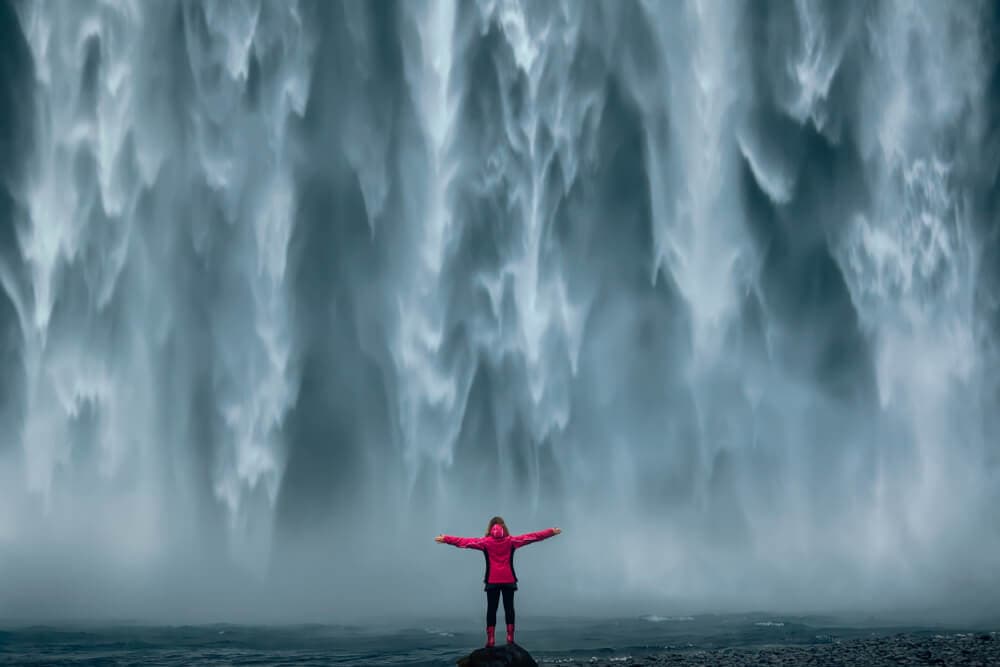

Iceland draws travellers for a combination that's hard to find elsewhere: dramatic, varied landscapes packed into a relatively small, well-connected island, plus geothermal energy, a strong safety record, and a road network that makes self-drive travel genuinely practical. This guide explains what Iceland is actually known for, why it appeals to first-time visitors from the US, UK, Europe, Canada and Australia, and how to plan a self-drive trip around it.
Short answer
Iceland is worth visiting for its concentration of natural landmarks, waterfalls, glaciers, volcanoes, geothermal areas and the northern lights, combined with low crime, English-speaking locals, and a manageable road system built around Route 1, the Ring Road. It suits travellers who want to drive at their own pace rather than follow a fixed group itinerary, in any season, provided the vehicle and route match the time of year.
What is Iceland known for?
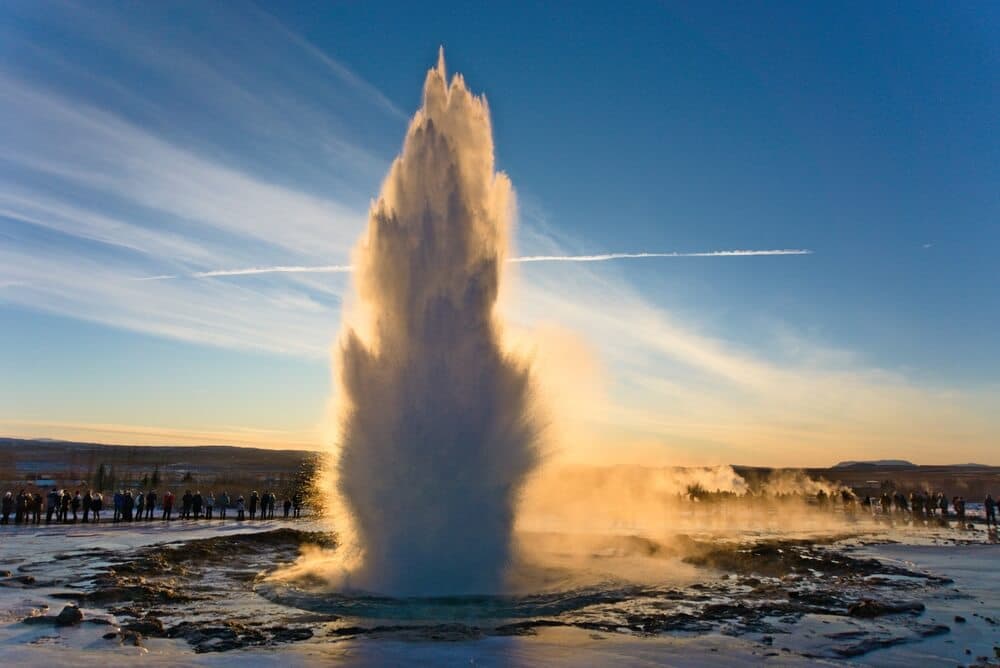
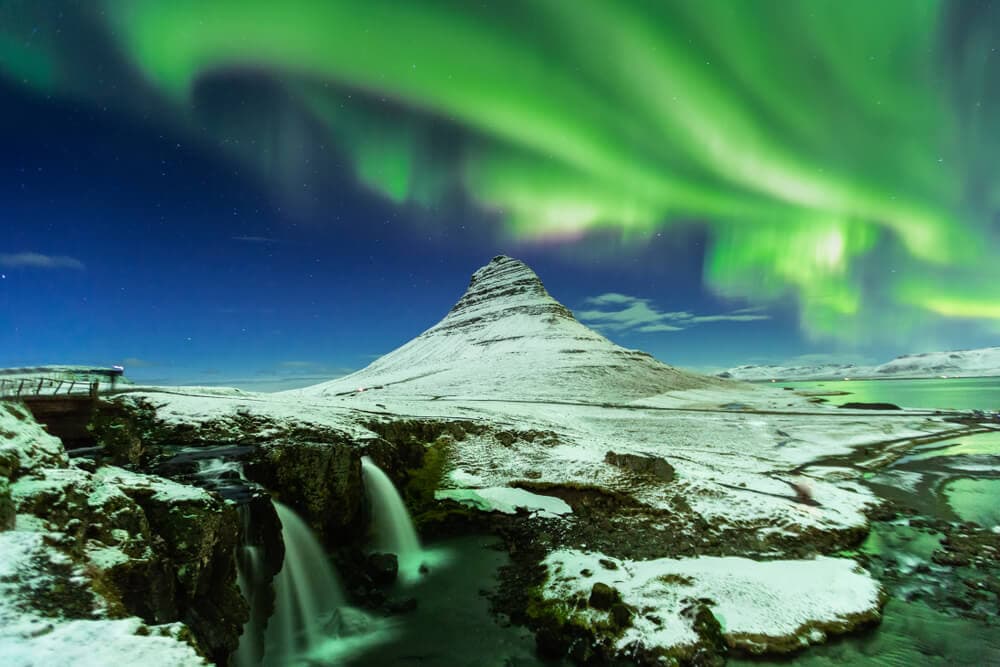
Iceland is best known for its geology and geothermal activity: active volcanoes, glaciers, hot springs, geysers, and a landscape shaped by both fire and ice. It's also known for the northern lights in the darker months, the midnight sun in summer, and a small, safe, English-fluent population.
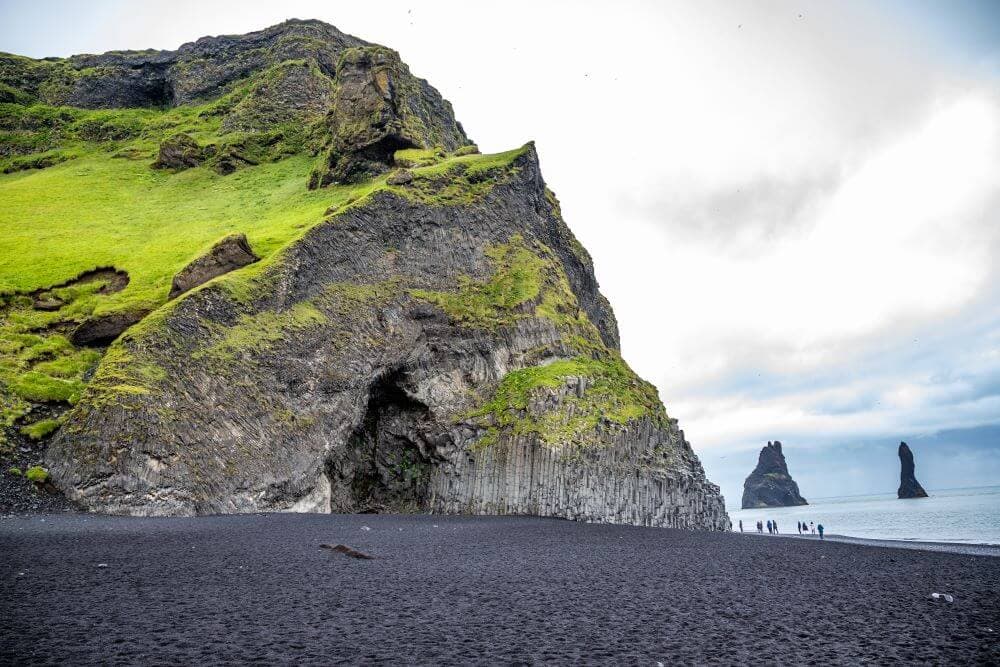
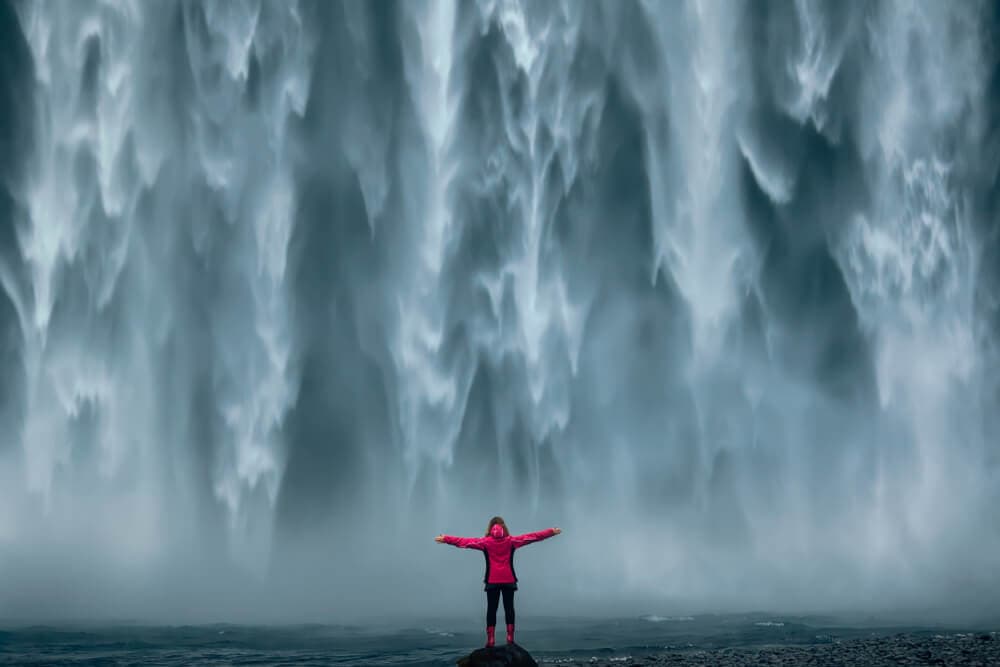
Specific landmarks come up again and again in traveller research: Gullfoss and the Golden Circle, Seljalandsfoss and Skógafoss on the south coast, Reynisfjara black sand beach, Kirkjufell in the west, the Blue Lagoon, and Vatnajökull, Europe's largest glacier by volume. Þingvellir National Park, where the North American and Eurasian tectonic plates meet, is another one travellers ask about specifically. Geothermal energy isn't just a tourist feature either, it heats most Icelandic homes and supplies the water that comes out of the tap, which is safe to drink and doesn't need bottling.
What is Iceland famous for, beyond the scenery?
Iceland is also known for its safety and hospitality. It consistently ranks as one of the safest countries to travel in, crime rates are low, and almost everyone speaks fluent English, which removes a common source of travel anxiety. Icelandic culture, Viking heritage, sagas, a strong live-music scene in Reykjavik, and traditions like Þorrablót, adds depth beyond the landscape itself, particularly for travellers who want more than a checklist of viewpoints.

Why visit Iceland: the practical reasons
Beyond the postcard appeal, there are a few concrete reasons Iceland works well as a self-drive destination rather than a place best seen on an organised tour.
The road network is simple to understand. Route 1, the Ring Road, circles the entire country and connects most major towns and attractions, which means orientation is straightforward even for a first-time visitor. You can build a route around it and add short detours without much risk of getting lost.
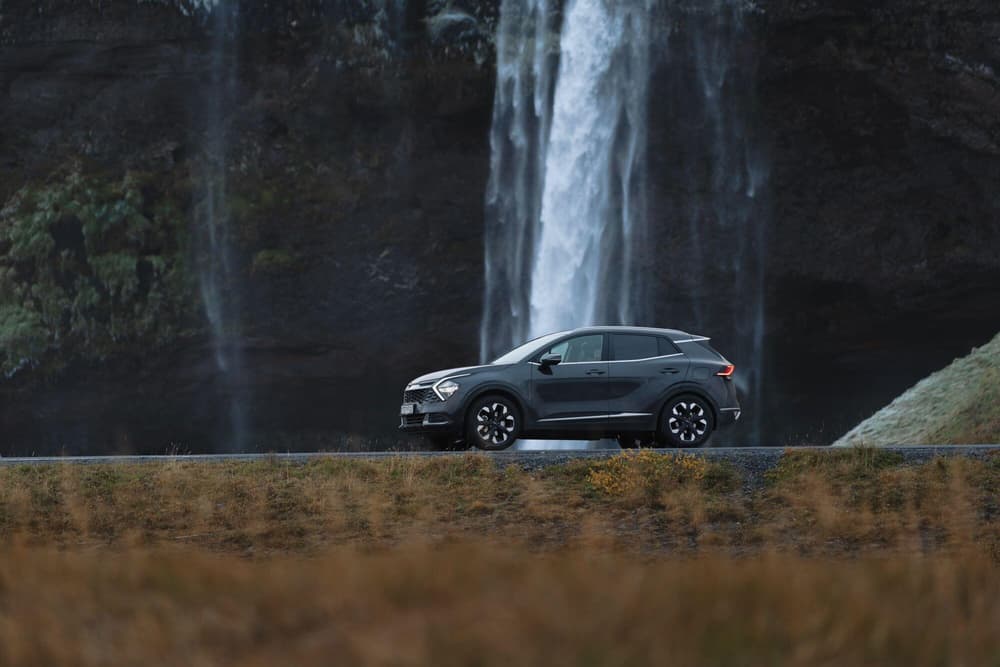
You can go at your own pace. A rental car means you're not tied to a coach schedule. If the light is good at a waterfall, you can stay another twenty minutes. If the weather turns, you can adjust your plan for the day rather than losing the whole excursion.
The country rewards spontaneity, within reason. Many of Iceland's most memorable stops, a random farm café, an empty black sand beach, a quiet fjord road, aren't on the standard tour circuit. Having your own vehicle is what makes those detours possible. Our guide to driving in Iceland covers the basics of what that looks like route by route.
Iceland works in every season, but the experience changes. Summer brings the midnight sun and access to the highlands; winter brings the northern lights and short, dark days that demand more caution behind the wheel. Choosing the right season for your priorities matters as much as choosing the right route.
What to expect by season
| Season | Known for | Driving conditions | Vehicle to consider |
|---|---|---|---|
| Summer (Jun–Aug) | Midnight sun, F-roads open, highlands accessible | Generally good, some gravel and river crossings on F-roads only where the crossing is legal and conditions allow, check umferdin.is/SafeTravel and turn around if unsure | 2WD often fine on Ring Road; 4x4 required on F-roads |
| Autumn (Sep–Oct) | Early northern lights, quieter roads | Increasingly variable; wind and rain more common | 4x4 recommended as conditions shift |
| Winter (Nov–Feb) | Northern lights, shortest daylight hours | Snow, ice, high winds; road closures possible | 4x4 strongly recommended |
| Spring (Mar–May) | Waterfalls at full flow, lengthening days | Mixed; snow melt and occasional late-season storms | 4x4 or well-equipped 2WD depending on route |
Conditions vary from year to year and should always be checked before you drive, via the Icelandic Road Administration at umferdin.is, and the Icelandic Met Office at vedur.is. Safetravel.is is also worth bookmarking for weather and travel alerts.
Do you need a 4x4 to enjoy Iceland?
Not always, it depends on your route and season. A 2WD car is generally adequate for the Ring Road in summer, while F-roads into the highlands legally require a 4x4 regardless of season. Winter travel, even on the Ring Road, is where a 4x4 becomes a genuinely sensible choice rather than an optional upgrade.
If you're undecided, our articles on whether you need a 4x4 in Iceland and 4x4 vs 2WD by route go through this decision route by route. If the highlands are part of your plan, the F-roads guide explains which roads typically open, when, and why a 4x4 is a legal requirement there rather than just a comfort choice.
How car rental fits into a first Iceland trip
For most visitors, the trip starts at Keflavik Airport, and how that pickup works can shape your first impressions of the whole trip. Blue Car Rental offers online check-in and key-box pickup (for customers who add the Liability Waiver and complete online check-in) at Keflavik, which means you can collect your car without waiting in an airport counter queue after a long flight. Details on how that process works are in our Keflavik Airport pickup guide.

On the money side, every rental includes CDW, SCDW, gravel protection, theft protection, and third-party liability as standard, and Blue takes a credit-card imprint as security rather than holding a deposit. Tyre cover, along with water/river, underbody, wind-door and sand/ash damage, is not part of this base package, it's covered under the optional Liability Waiver (LW). If you're comparing insurance options or trying to understand what's included versus what's optional, our page on car rental pricing, deposits and insurance breaks this down, and the insurance overview covers coverage types in more detail.
If winter driving is part of your plan, it's worth reading a dedicated guide before you go rather than after you land, see driving in Iceland in winter for what changes about road conditions, daylight, and vehicle handling compared to summer.
Mistakes to avoid when planning your visit
A few recurring mistakes come up with first-time visitors:
- Underestimating winter daylight. In December, useful daylight can run to only a few hours, which limits how far you can realistically drive and sightsee in a day.
- Assuming a 2WD is fine everywhere. It's usually fine on the Ring Road in summer, but F-roads require a 4x4 by law, and winter conditions change the calculation even on paved roads.
- Not checking road and weather status before driving. Conditions can change quickly, especially in shoulder seasons; umferdin.is and vedur.is should be part of your daily routine on a self-drive trip, not just a pre-trip check.
- Overpacking the itinerary. Distances on a map look short, but weather, photo stops, and gravel sections all add time. Building in slack matters more in Iceland than in most destinations.
- Ignoring loyalty or return-visitor discounts. If you've rented with Blue before or plan to return, the Blue+ loyalty programme offers tiered discounts (5% at Bronze, 10% at Silver, 15% at Gold) that are easy to overlook when booking quickly.
 RENTING A CAR IN REYKJAVÍK: A COMPLETE GUIDE FOR TRAVELERS