
Iceland’s weather is famous for being wild, fast‑changing, and a little confusing. That’s part of the charm and also why it pays to plan. If you understand temperature, daylight, wind, rain, snow, and road conditions by season and by month, you’ll make better choices about where to drive, which car to rent, and how much time to allow.
This guide gives you a plain‑English overview of Iceland’s climate, a month‑by‑month breakdown, and practical car rental advice for each season. If you’re new to self‑drive trips here, start with the Ultimate Self‑Drive Iceland Itinerary for First‑Time Visitors and skim A Guide to the Climate in Iceland. Together, these set the right expectations and help you match the route and the vehicle to the time of year.
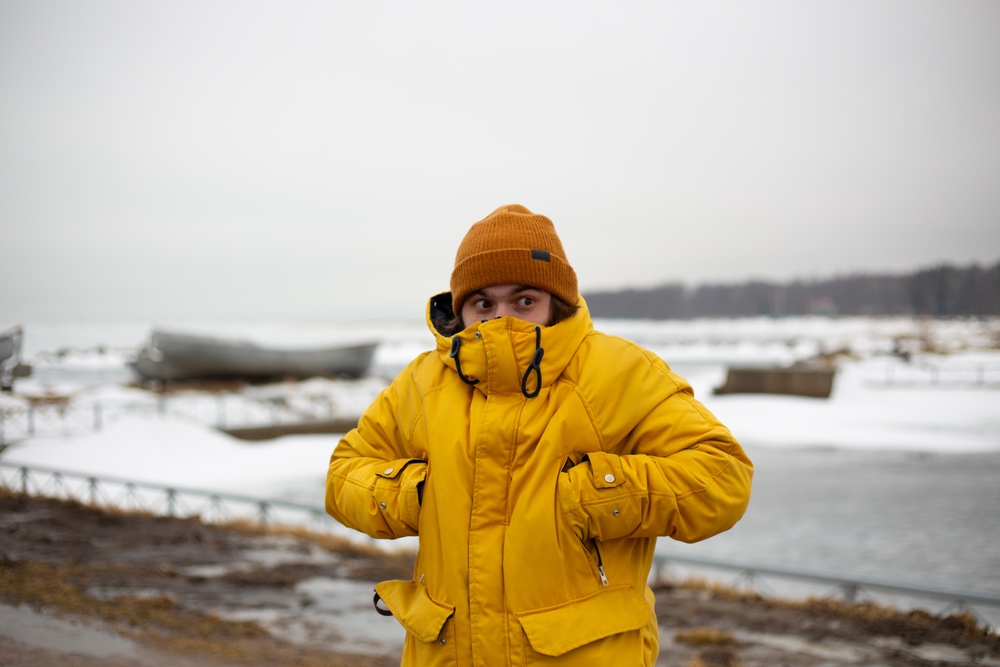
Climate basics (the quick version)
Before the month‑by‑month detail, here’s the short version. These are the forces that shape every driving day in Iceland — temperature, wind, daylight, and micro‑climates. Keep them in mind when you pick routes, the car type, and your daily timing.
- Ocean‑moderated temperatures. Thanks to the North Atlantic Current, Iceland is milder than its latitude suggests. Coastal areas feel softer; inland and higher ground are colder.
- Wind is the main character. Gusts can affect doors, steering, and comfort. Always face the wind when opening doors and park into the wind when you can.
- Daylight swings are huge. Winter days are short; summer can feel like daytime all night long. That changes how many stops you can fit into one day.
- Micro‑climates are normal. You might drive from sun to sleet in 30 minutes. Build buffer time.
If you’re planning a full loop, this piece on How Long Does It Take to Drive Around Iceland? is a good reality check for time and distance under different conditions. For the summer light experience, Best Ways Enjoy Midnight Sun explains what the long days feel like.
Four seasons and what they mean for drivers
Each season in Iceland feels different on the road. Temperatures, daylight, wind, and surface conditions shift month to month, which changes how far you can drive and what car makes sense. Use this quick overview to set expectations, pick routes, and decide between 2WD and 4x4. Keep plans flexible—forecasts move fast here.
Winter (Dec–Feb)
- Typical feel: sub‑zero mornings, icy patches, snowstorms possible, strong wind, very short days.
- Driving takeaway: Plan shorter hops. Choose 4x4 for most trips outside the capital region. Keep itineraries flexible.
- Helpful reads: Driving in Iceland in Winter, How Cold Is It in Iceland During Winter?, How to Dress for Winter in Iceland.
Spring (Mar–May)
- Typical feel: thaw, mixed surfaces (wet, slushy, occasionally icy), rising daylight, changeable wind.
- Driving takeaway: March and early April can still feel wintry; a 4x4 often makes sense. By May, many itineraries work fine in 2WD on paved routes.
- Helpful reads: Car Rental Tips: Is Spring a Good Time to Visit Iceland? and Iceland in April: Weather, Travel Tips & Best Things to Do.
Summer (Jun–Aug)
- Typical feel: mild temperatures, longest days, busiest roads, greener landscapes; still windy at times.
- Driving takeaway: 2WD is usually enough for the Ring Road. For Highlands or F‑roads, choose a 4x4. Book cars early — demand is high. See Iceland Car Rental Guide to a Great Summer Road Trip and month pages below.
Autumn (Sep–Nov)
- Typical feel: cooler days, more rain, frequent wind, shortening daylight; first icy nights in the north/elevations.
- Driving takeaway: 4x4 becomes more sensible from October onward, especially outside Route 1.
- Helpful reads: Driving in Iceland: Travel Tips for September and Iceland in November: Weather, Travel Tips & Best Things to Do.
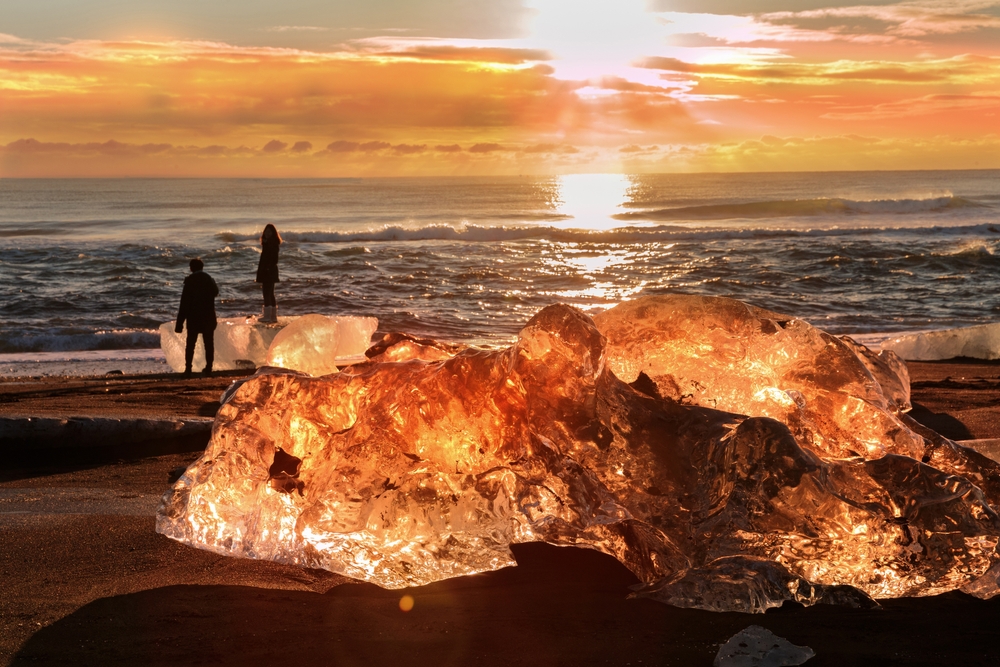
What to do and where to go by season (temperature‑friendly picks)
Here are easy ideas that match typical temperatures and daylight in each season. Always check the forecast and road conditions on the day.
Winter (Dec–Feb)
- Chase northern lights on clear, cold nights from an easy base; see local tips in Blue staff’s secret spots for northern lights.
- Short, safe day trips from Reykjavík: the Golden Triangle fits short daylight hours.
- South Coast highlights in a good weather window (waterfalls, coastal viewpoints). Keep routes short; avoid exposed spots in strong wind.
- Winter photo days when air is crisp; use ideas from Iceland winter photography.
- Pick realistic sights if some places are closed or paths are icy; this overview helps: Are all attractions in Iceland open during winter? and Top 5 blue and beautiful places to see in the winter.
Spring (Mar–May)
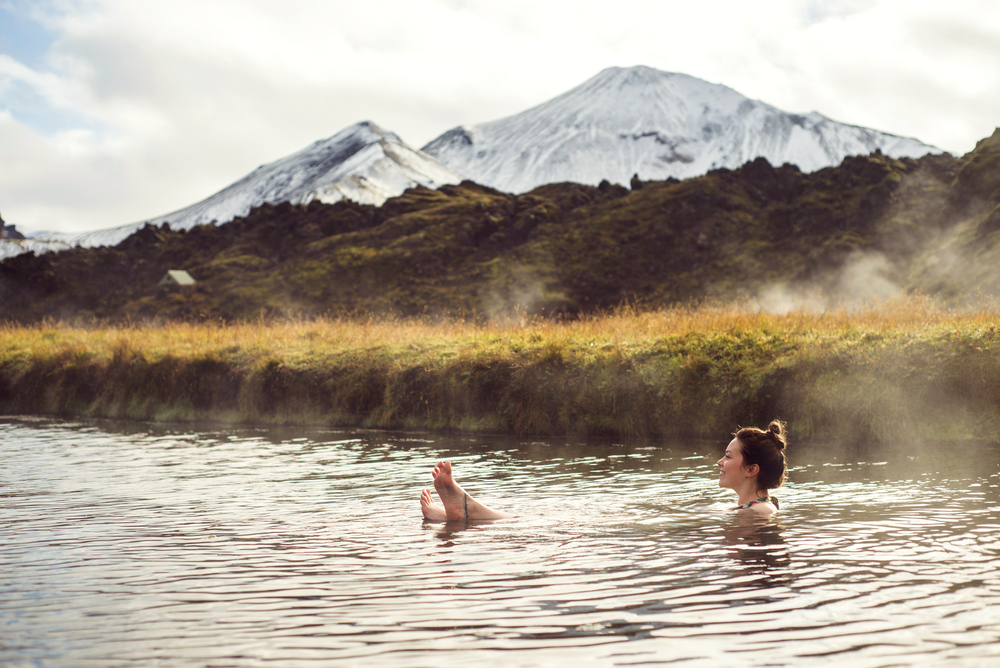
- Warm up with hot‑spring days close to the city; plan with 5 geothermal areas close to Reykjavík.
- Light, flexible road trips as temps rise; try the best spring road trip with a rental vehicle.
- Snæfellsnes Peninsula for mixed scenery on milder days; see discover Snæfellsnes Peninsula.
- Spring highlights list to build an easy plan: Top 5 things to do in Iceland — spring.
- Late‑May puffins if the season aligns; read When and where can I see puffins in Iceland?. For city breaks between drives, try the Reykjavík café guide.
Summer (Jun–Aug)
- Ring Road itineraries with long, mild days; use Iceland Ring Road — 7‑day self‑drive for pacing.
- South Coast icons on warm days: Jökulsárlón + South Coast stops and Diamond Beach guide.
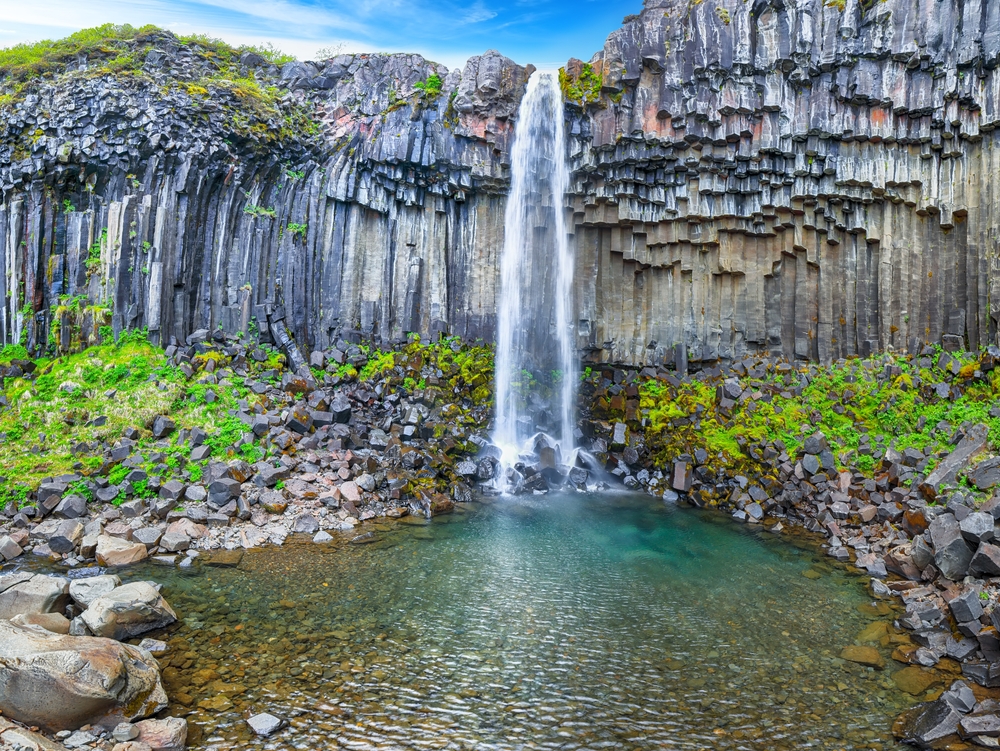
- Waterfall hopping across regions; plan with Top Icelandic waterfalls accessible by rental car and Seljalandsfoss guide.
- Midnight‑sun moments on the longest days; get a feel for it in the summer solstice guide.
- Whale‑watching detours from the north or west; see Whale watching in Iceland — self‑drive to the best locations.
Autumn (Sep–Nov)
- Color‑season road trips when temps are cool but pleasant; start with Best places for an autumn road trip in Iceland.
- Westfjords or Snæfellsnes in early autumn when conditions allow; for the far west, use Top things to do in the Westfjords by rental car.
- North Iceland waterfalls on calm days; read A guide to Dettifoss.
- Aurora chances return as nights darken; October can deliver—see Can you see the northern lights in Iceland in October?.
Month‑by‑month guide (temps, daylight, driving notes)
Temperatures and daylight below are typical ranges; real‑world conditions can swing quickly. Use this alongside your daily weather and road checks.
At a glance — monthly summary table
|
Month |
Typical Avg Temp (°C) |
Daylight (approx) |
Car Tip |
|
Jan |
−1 to 1 |
4–7 hrs |
4x4 strongly advised; short routes |
|
Feb |
−1 to 2 |
7–10 hrs |
4x4; watch coastal wind |
|
Mar |
0 to 3 |
10–13 hrs |
4x4 or sturdy 2WD late month |
|
Apr |
1 to 6 |
13–16 hrs |
2WD OK on paved routes; 4x4 if venturing inland |
|
May |
4 to 9 |
16–20 hrs |
2WD fine for Ring Road; 4x4 for gravel detours |
|
Jun |
8 to 12 |
20–24 hrs |
2WD Ring Road; 4x4 if Highlands |
|
Jul |
9 to 14 |
18–20 hrs |
2WD Ring Road; book early |
|
Aug |
8 to 13 |
14–17 hrs |
2WD fine; 4x4 for rougher tracks |
|
Sep |
6 to 10 |
11–14 hrs |
2WD early month; 4x4 helpful later |
|
Oct |
3 to 7 |
8–11 hrs |
4x4 recommended; wind and rain |
|
Nov |
0 to 3 |
5–8 hrs |
4x4; flexible plans |
|
Dec |
−1 to 2 |
4–5 hrs |
4x4; very short days |
For deeper basics, see Iceland Temperature: Month‑by‑Month Weather Guide.
January
Short days and frequent ice. Northern lights chances are good on clear nights. Plan fewer stops, keep fuel topped up, and avoid long detours in poor visibility. If you’re mixing city time with day trips, keep it simple and start early. For winter safety mindset and clothing, use How to Dress for Winter in Iceland and this short overview of winter weather.
February
Cold mornings, growing daylight, strong winds still possible. If you’re chasing auroras, pick a base and do short, flexible drives at night. Read Iceland in February: Weather & Northern Lights Travel Guide.
March
Transitional month: thaw by day, refreeze at night. Potholes and wet surfaces are common. See Driving in Iceland in March and the broader Iceland in March guide. A 4x4 is still a smart bet early in the month.
April
Brighter days, mixed showers, and better road conditions along the south and west. Watch for surprise sleet in the north or at elevation. If you want a shoulder‑season itinerary with fewer crowds, April is kind. Use Iceland in April: Weather, Travel Tips & Best Things to Do.
May
Green shoots, long evenings, and mostly dry main roads. 2WD on the Ring Road is usually fine now. Inland gravel can still be rough. For a sense of pace and mileage, review Around Iceland in 6 Days.
June
Peak daylight and softer temps. Crowds rise, but driving feels relaxed on most days. This is a good month for longer days on the Iceland Road Trip route. For planning your light, see Iceland in June: Weather, Activities, Essential Tips.
July
Warmest month, busiest roads, stable driving on the Ring Road. Book your car early and consider a slightly larger vehicle for comfort in wind. Read Iceland in July: Weather, Activities, Travel Tips.
August
Still mild, with more showers and early signs of autumn in the north. It’s a great month for waterfalls and lush landscapes. Pair the South Coast with Dyrhólaey and consider a detour to quieter peninsulas when the forecast looks good. Use Iceland in August to plan.
September
Cooler air, golden colors, and more variable wind. Early September can still work well with 2WD on paved routes; later in the month, a 4x4 gives more margin. See Driving in Iceland: Travel Tips for September and Iceland in September: Weather, Activities, Travel Tips.
October
Unsettled weather returns: wind, rain, and the first spells of snow. Daylight drops fast. 4x4 is recommended for most itineraries. If you’re timing an autumn trip, Iceland in October gives a clear picture.
November
Storm season feel, short days, ice hazards. Plan strong wind etiquette and keep your schedule flexible. Read Tips for Driving in Iceland in November.
December
Very short days, festive mood, and often icy roads. Base yourself smartly and pick a few strong, short day trips. For holiday‑season context, check Iceland in December: Christmas Magic, Weather, Things to Do.
Bonus daylight read for winter: How Long Bright Outside in Iceland During Winter.
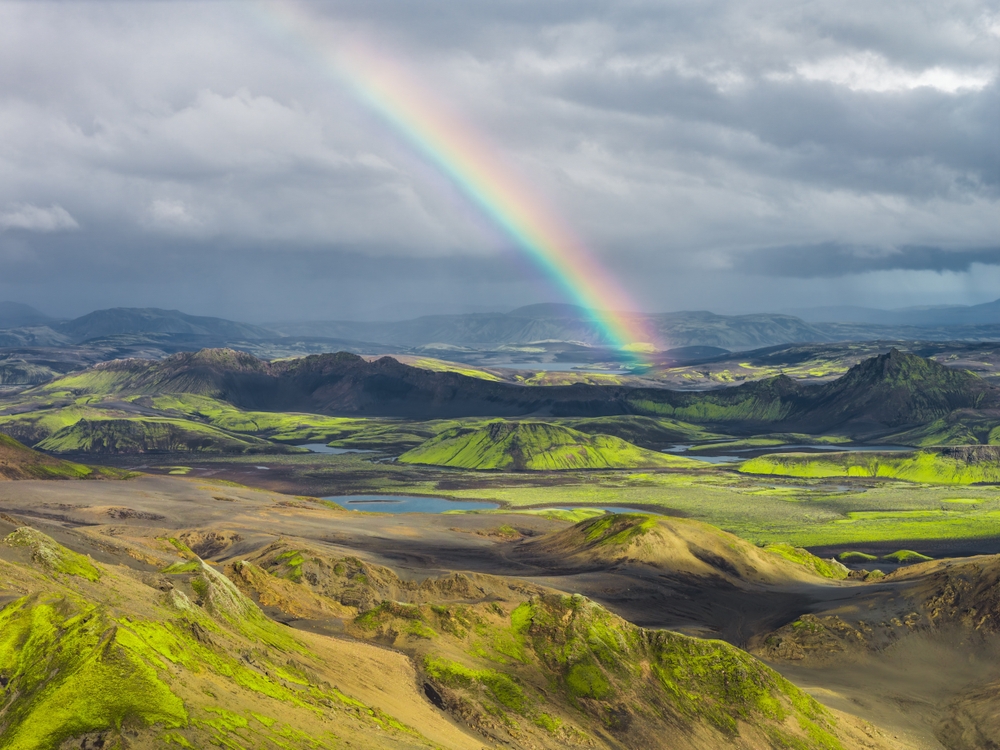
Weather factors that matter most for drivers
Wind. The number‑one risk for doors and lane keeping. Park facing into the wind and hold doors with two hands. If gusts look strong, choose shorter legs or sheltered routes.
Ice & snow. Increase following distance, brake gently, and avoid sudden moves. In cities, sidewalks can be slick too — these tips for footing help: How to Walk on Ice and Not Look Stupid.
Sand & ash. Some stretches — especially in the south — can be exposed in wind. Know where you’re going and consider route changes when forecasts show dust. See Driving on Black Sands in Iceland: A Complete Guide.
Visibility. Fog, spray, and winter darkness slow you down. Build margins.
For context on winter patterns, skim The Icelandic Winter Weather — A Short Overview.
|
Month |
Recommended car type |
Sample route focus |
|
Jan |
4x4 SUV |
Reykjavík base; Golden Circle on calm day; short South Coast highlight (e.g., Seljalandsfoss) |
|
Feb |
4x4 SUV |
Reykjavík base; South Coast when forecast is stable; Snaefellsnes day if wind is low |
|
Mar |
4x4 early / sturdy 2WD late |
South Coast + Golden Circle; West Iceland day (Borgarfjörður) |
|
Apr |
2WD paved / 4x4 if inland |
South & West Iceland circuits; first longer loops on Route 1 |
|
May |
2WD Ring Road / 4x4 for gravel |
6–10 day Ring Road highlights; Eastfjords or Snæfellsnes detours |
|
Jun |
2WD Ring Road / 4x4 Highlands |
10–14 day Ring Road with peninsulas; optional single F‑road day if open |
|
Jul |
2WD Ring Road / 4x4 Highlands |
Ring Road + Highlands day trips; Westfjords window if forecast is kind |
|
Aug |
2WD most routes / 4x4 rough tracks |
Ring Road with waterfall focus; South Coast & Highlands windows |
|
Sep |
2WD early / 4x4 late |
Shoulder‑season Ring Road; Snæfellsnes; South Coast in good weather |
|
Oct |
4x4 recommended |
Reykjavík base; South Coast on best day; Golden Circle; avoid exposed roads in storms |
|
Nov |
4x4 |
City base with short daylight trips; South Coast only in settled forecasts |
|
Dec |
4x4 |
Reykjavík base; festive city + short coastal day trips; Golden Circle on calm day |
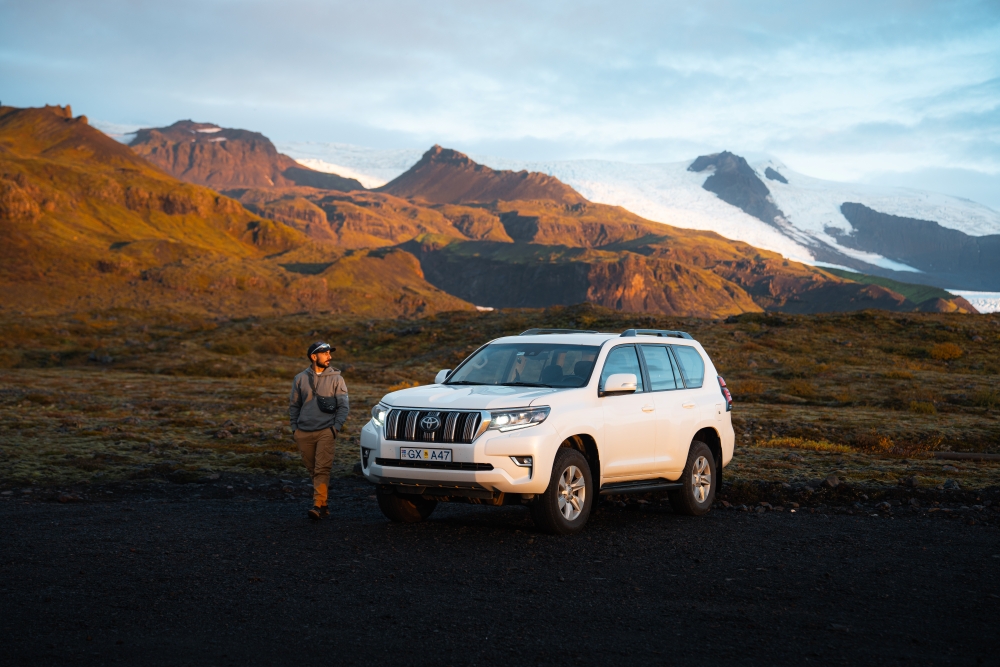
Picking the right car for the season (2WD vs 4x4)
Choosing between 2WD and 4x4 comes down to three things: season, route, and comfort in wind. On the Ring Road in summer, a 2WD usually does the job. For the Highlands or any F‑road, you need a 4x4. In shoulder seasons and winter, extra clearance and traction give you more margin. Factor in group size and luggage as well. Use the quick rules below to match the car to your plan.
- Summer on Route 1: 2WD is usually fine. If you’re a group with luggage or want extra stability in wind, size up.
- Highlands / F‑roads: Always 4x4. Ground clearance and traction matter; plan within your comfort zone. Read Iceland Highlands Travel Guide.
- Shoulder season and winter: A 4x4 gives you more margin for wind, slush, and steep driveways.
Use this decision helper: Do I Need a 4x4 Rental in Iceland? 7 Questions to Ask Yourself. For a popular, capable option, see Discover Iceland’s Best 4x4 Rental: The Dacia Duster. If you like the idea of an EV in milder months, read Top 3 Reasons for EV Rental in Iceland and Why Iceland Is Perfect for Renting a Tesla.
Safety, rules, and smart habits (all seasons)
Weather shifts fast in Iceland, so a few simple habits make a big difference. Think forecast first, route second. Build buffer time, slow down in wind, and keep a clear plan B. Start with the basics below—rules, emergency steps, and winter prep—and you’ll be ready for any month.
- Know the basics. Read Road Rules for Travelers with Car Rental in Iceland and the wider Iceland Roads: Everything You Need to Know.
- Plan for emergencies. Save local numbers and skim Driving in Iceland: What to Do in Case of Emergency.
- Winter setup. If you’re visiting in colder months, this primer helps: Is It Easy to Drive in Iceland? 2025 Guide and Do I Need Winter Tires for Car Rental in Iceland?.
If your route starts at KEF, combine Car Hire at Keflavík International Airport — Delivery Guide with Driving from Keflavík Airport to Reykjavík Made Easy for a smooth arrival.
Costs that shift with weather
Weather affects more than comfort — it also changes what you’ll spend and where. Prices, fuel use, time, and gear all shift with the season. Use the points below to set a realistic budget for your month and route.
- Rental prices: highest in summer; more deals in shoulder seasons and winter.
- Fuel use: higher in cold, windy conditions. Larger 4x4s also consume more — trade comfort and capability against cost.
- Time is money: short winter days reduce daily distance; plan fewer paid sights per day.
- Gear: winter clothing and add‑ons add to the budget.
For a sense of winter budgeting, read Car Rental Iceland: How Much Does a Winter Trip Cost?, and for coverage choices see Car Rental Insurance Iceland: What to Know Before You Go.
Packing and in‑car essentials
Packing smart saves time and keeps you comfortable in any month. Think layers and waterproofs for the weather, and a few simple items in the car so you’re ready for wind, darkness, or a surprise shower. Use the list below as a quick, practical checklist before you set off.
- Clothing: layers, waterproof jacket, hat, gloves, spare socks. In summer, add sleep mask for the light.
- Footwear: waterproof boots in shoulder/winter months; trainers in dry summer spells. See What Shoes to Wear in Iceland.
- Extras in the car: scraper, small towel, headlamp, snacks, water, power bank.
- Summer‑specific: sun cream, bug net in the north if you’re near lakes, and this summer packing guide.
Sample routes matched to weather windows
Summer Ring Road (10–14 days). With long days, you can add scenic detours and still keep a relaxed pace. Start with Iceland Road Trip and mix in peninsulas when the forecast looks calm.
Shoulder‑season South Coast (3–5 days). Base in Reykjavík or Hvolsvöllur/Vík and pick your weather windows for waterfalls and beaches. Use Dyrhólaey: Self‑Drive Guide and Iceland’s Top Black Sand Beach — Reynisfjara.
Winter city + short day trips (2–4 days). Keep drives short and flexible from Reykjavík; end the day early. For safe winter pacing, see Winter Road Trip in Iceland — Top Tips for an Early Start. If you’re evaluating campervans vs. a car/hotel combo, this comparison helps: Camper Van vs Car Rental in Iceland.
If you want to add a Highlands taste in mid‑summer, read Iceland Highlands Travel Guide again and pick a single F‑road day to avoid over‑planning.
Conclusion
Iceland’s climate shapes every road trip decision: where to go, how far to drive, and which car to rent. If you match your route, car type, and daily plan to the month and forecast, you’ll travel smoother, safer, and with fewer surprises. Think of weather as part of the itinerary: daylight sets your daily range, wind dictates where you stop, and temperature guides which roads and sights make sense.
Your next step is simple: pick your month, choose the right vehicle (2WD vs 4x4), and build a realistic route with buffer time. Keep plans flexible—swap days, shorten legs, or pause when conditions turn. Aim to reach your last stop before dark in winter, and don’t overpack summer days just because the light lasts. A modest plan you actually enjoy beats a rushed checklist.
Before you lock things in, run a quick checklist: the month-by-month notes above for temps and daylight; the car picker for 2WD vs 4x4; and the safety habits for wind, ice, and visibility. Save a simple plan B for each day. If a forecast closes one door, you already know which door to open next.
For a clear start point, try Guide to Best Car Rental in Iceland: Quick and Simple and How to Explore Iceland in a Rental Car. If you want extra detail, add 10 Essential Tips for Renting a Car in Iceland (2025) and the broader road primer Iceland Roads: Everything You Need to Know. Together they’ll help you pick the right car, pace your days, and enjoy Iceland in any season.
 WHY EXCELLENT CUSTOMER SERVICE MATTERS IN ICELAND CAR RENTAL